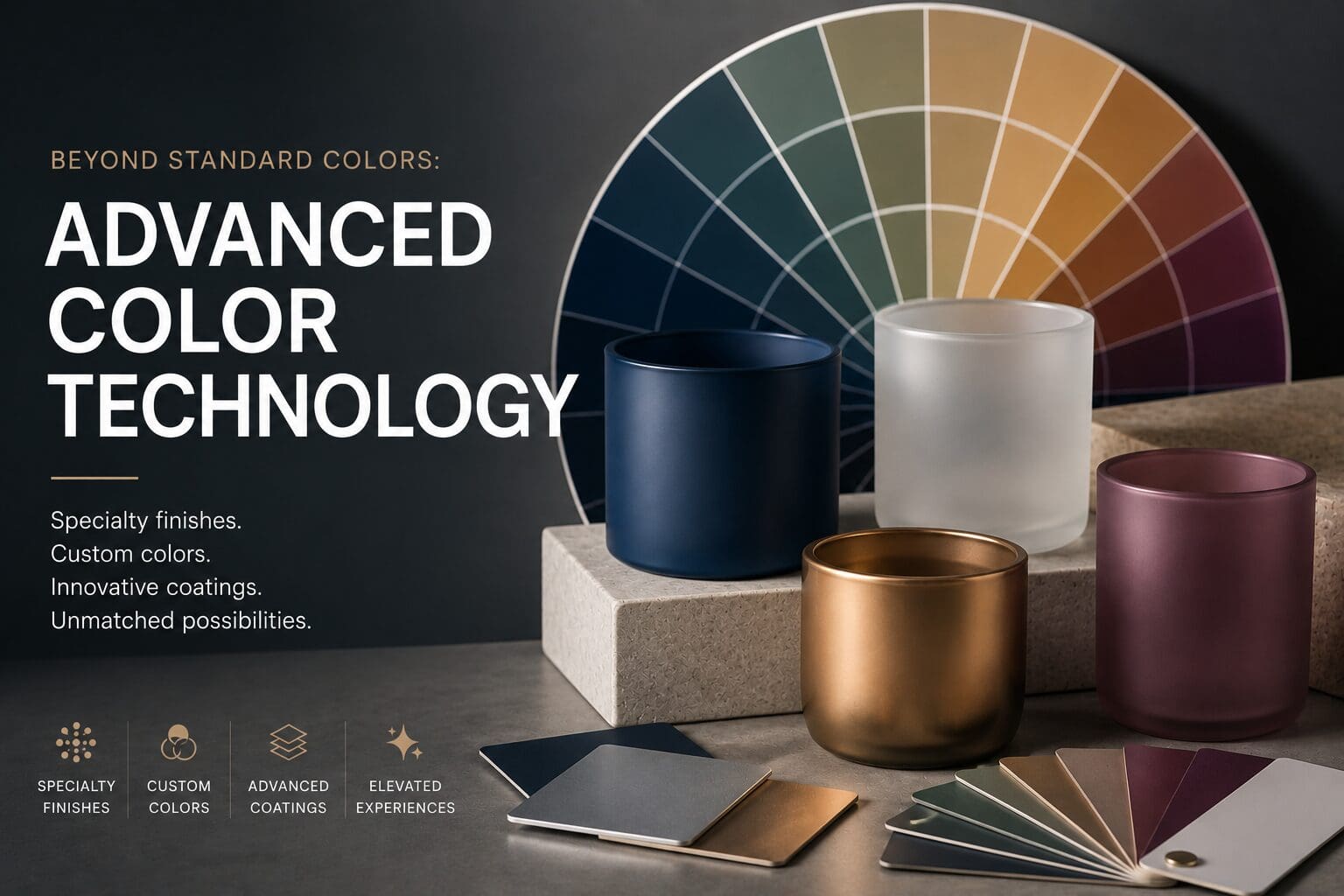
Color has always played an important role in product packaging. It influences perception, supports brand recognition, and helps products stand out in competitive markets.
But today’s brands are looking beyond standard color options.
As consumer expectations evolve and markets become more crowded, companies are searching for new ways to create memorable product experiences. Increasingly, they are turning to advanced color technology to help achieve that goal.
From custom color development to specialty finishes and layered visual effects, advanced color technology allows brands to create packaging that does more than hold a product. It helps communicate quality, reinforce brand identity, and create stronger visual impact.
What Is Advanced Color Technology?
Advanced color technology refers to the processes, materials, and techniques used to create specialized visual effects that go beyond traditional color application.
While standard decoration focuses on applying a color to a surface, advanced color technology focuses on how color interacts with light, texture, transparency, finish, and material.
The result is a broader range of creative possibilities that allow brands to develop packaging with greater depth, sophistication, and distinction.
These technologies are commonly used across industries including:
- Home fragrance
- Candles
- Beauty and cosmetics
- Perfumery
- Beverage packaging
- Luxury consumer goods
As packaging becomes a larger part of the customer experience, advanced color solutions are becoming increasingly valuable.
Why Brands Are Moving Beyond Standard Colors
In many product categories, consumers are presented with dozens of similar options.
A unique fragrance, premium ingredients, or innovative product features may help a brand stand apart, but those differentiators often require consumers to engage with the product first.
Color works differently.
Color influences perception almost immediately.
When packaging incorporates distinctive finishes, unique color effects, or carefully developed custom shades, products can create stronger first impressions before customers ever read a label.
Advanced color technology helps brands:
- Improve shelf visibility
- Strengthen brand recognition
- Reinforce premium positioning
- Support product storytelling
- Create memorable customer experiences
The goal is not simply to look different. The goal is to create visual cues that align with the brand’s overall message.
Specialty Finishes Create New Visual Possibilities
One of the most effective ways to transform a package is through finish selection.
The same color can communicate dramatically different messages depending on the finish applied.
Matte Finishes
Matte coatings often create a soft, modern, and sophisticated appearance.
Many premium brands use matte finishes to communicate refinement and understated luxury.
Gloss Finishes
Gloss coatings enhance reflectivity and vibrancy.
These finishes often create a bold, polished appearance that helps colors appear more saturated and energetic.
Satin Finishes
Satin finishes offer a balance between matte and gloss, providing subtle depth while maintaining a smooth visual appearance.
For many brands, satin finishes deliver versatility without overwhelming the overall design.
Metallic Effects Add Depth and Premium Appeal
Metallic finishes remain one of the most popular applications of advanced color technology.
Unlike standard colors, metallic effects interact with light to create movement and dimension.
Depending on the desired aesthetic, brands may choose:
- Gold metallic finishes
- Silver metallic finishes
- Bronze metallic finishes
- Champagne metallic effects
- Custom metallic color combinations
These finishes are frequently used in luxury fragrance, premium candles, beauty packaging, and high-end beverage applications where visual sophistication supports product positioning.
Frosted and Translucent Effects Create Atmosphere
Advanced color technology is not always about boldness.
Sometimes subtlety creates the strongest impact.
Frosted and translucent finishes allow packaging to interact with light in unique ways, creating depth and ambiance that standard opaque finishes cannot achieve.
These effects are particularly effective for:
- Candle vessels
- Diffusers
- Fragrance packaging
- Beauty containers
- Decorative glass products
The visual experience changes depending on lighting conditions, creating a more dynamic presentation for consumers.
Custom Color Development Gives Brands Ownership
Many companies begin with standard color libraries. Over time, however, growing brands often seek something more distinctive.
Custom color development allows companies to create proprietary shades that become part of their visual identity.
Think about some of the world’s most recognizable brands. Their colors are often immediately identifiable.
Custom color development helps brands:
- Create stronger differentiation
- Improve recognition
- Support consistent branding
- Establish visual ownership
When combined with specialty finishes and decorative effects, custom colors can become a powerful competitive advantage.
Advanced Color Technology Requires Collaboration
Creating exceptional color effects is not simply a matter of selecting a swatch.
Successful projects often require collaboration between:
- Brand teams
- Designers
- Product developers
- Manufacturing partners
Material selection, finish choice, lighting conditions, and production processes all influence final appearance.
The most successful outcomes occur when color strategy and manufacturing expertise work together from the beginning of the development process.
The Future of Product Packaging
Consumer expectations continue to evolve.
Packaging is no longer viewed solely as protection for the product inside. It has become an extension of the brand experience.
As companies search for new ways to capture attention and create meaningful connections with customers, advanced color technology will continue playing an increasingly important role.
Whether through custom color development, specialty finishes, metallic effects, or innovative decorative techniques, brands have more opportunities than ever to create packaging that is visually distinctive, strategically aligned, and memorable.
The future of product packaging is not simply about choosing a color.
It’s about understanding how color, finish, and technology work together to tell a brand’s story.