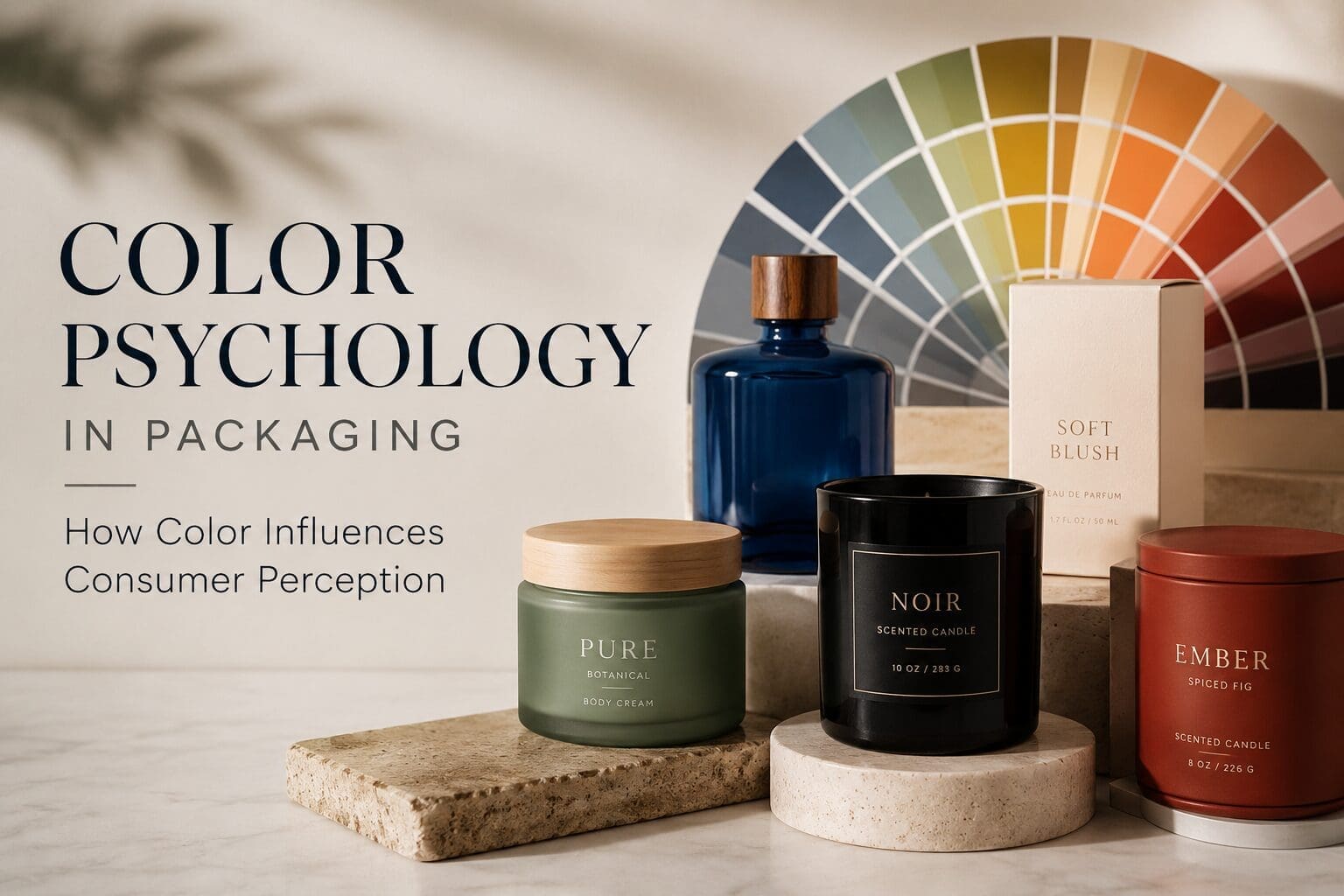
When consumers pick up a product for the first time, they begin forming opinions before they read a label, understand the ingredients, or learn about the brand. Color often creates that first impression.
Whether you’re launching a candle collection, developing a beauty product, introducing a new beverage, or refreshing an existing brand, color choices play a significant role in how consumers perceive your product. This is where color psychology becomes an important consideration.
Understanding how color influences perception can help brands create packaging and products that communicate the right message from the very first glance.
What Is Color Psychology?
Color psychology is the study of how colors influence human emotions, behaviors, and perceptions. While personal experiences and cultural factors can affect how individuals respond to color, certain associations are remarkably consistent across consumer markets.
Colors often act as visual shortcuts. They help consumers quickly interpret a product’s personality, positioning, and intended experience.
For example, a deep navy package may communicate sophistication and trust, while a bright yellow package may feel energetic and optimistic. These impressions happen almost instantly, often before a consumer consciously evaluates the product itself.
For brands, color becomes a powerful communication tool.
Why Color Matters in Packaging and Product Design
In competitive retail environments, consumers are surrounded by choices. Packaging must work hard to capture attention while also reinforcing a brand’s message.
Color helps accomplish several important objectives:
- Creates an immediate emotional response
- Improves product recognition
- Supports brand identity
- Influences perceived quality
- Helps products stand out on crowded shelves
The right color choice can strengthen a product’s positioning. The wrong color choice can create confusion about the brand or intended customer experience.
Because of this, color selection should be approached strategically rather than purely based on personal preference.
Common Color Associations in Consumer Products
While there are no universal rules, certain color associations appear consistently across industries.
Blue: Trust and Reliability
Blue is often associated with stability, confidence, and professionalism.
Brands frequently use blue when they want to communicate trustworthiness, cleanliness, or dependability. It is common in wellness, personal care, beverage, and premium lifestyle products.
Green: Nature and Wellness
Green is commonly linked to health, sustainability, freshness, and natural ingredients.
Many brands use green to reinforce environmental responsibility or botanical-inspired product concepts.
Black: Luxury and Sophistication
Black often communicates elegance, exclusivity, and premium quality.
Luxury fragrance brands, high-end candles, and prestige beauty products frequently incorporate black packaging to create a refined appearance.
White: Simplicity and Purity
White is often associated with cleanliness, minimalism, and modern design.
Brands seeking a clean, elevated aesthetic frequently rely on white as a primary design element.
Red: Energy and Passion
Red captures attention quickly and is often connected to excitement, confidence, and intensity.
Because it creates a strong visual impact, red is commonly used for products intended to feel bold or emotionally engaging.
Yellow and Orange: Optimism and Creativity
These colors tend to evoke warmth, positivity, and energy.
Brands often use them when they want to create a sense of fun, approachability, or innovation.
Color Psychology Is About Context
One of the most common misconceptions about color psychology is that every color has a fixed meaning.
In reality, context matters.
A matte black candle vessel may communicate luxury and sophistication. The same color on a sports beverage package may communicate strength or performance. Material, finish, lighting, typography, and surrounding colors all influence how consumers interpret a product.
Color psychology works best when viewed as part of a complete brand strategy rather than an isolated design decision.
Industry Examples: How Color Shapes Consumer Expectations
Home Fragrance and Candles
Consumers often associate soft neutrals with relaxation and comfort, while darker colors can communicate moodiness, sophistication, or seasonal appeal.
A warm amber vessel may suggest coziness and warmth before the candle is ever lit.
Beauty and Personal Care
Color frequently reinforces product benefits.
Pastels may signal gentleness or self-care, while bold, saturated colors can create a sense of confidence, energy, or trend-forward innovation.
Food and Beverage
Color can influence flavor expectations and perceived freshness.
Consumers often make assumptions about taste profiles, ingredients, and product quality based solely on packaging color choices.
The Importance of Consistency
Choosing the right color is only part of the equation.
Consistency across product lines, packaging components, and production runs helps reinforce brand recognition and build consumer trust over time.
Even small color variations can affect how products are perceived, particularly for brands with established visual identities.
For this reason, successful product development often combines strategic color selection with careful attention to color matching and production quality.
Bringing Color Strategy and Product Development Together
Color psychology is not about manipulating consumers. It’s about creating alignment between what a product promises and what consumers experience.
When color choices reflect a brand’s personality, audience expectations, and product positioning, they help create stronger connections with customers.
The most effective packaging colors are not simply attractive. They communicate a message, support the brand story, and reinforce the experience consumers expect to receive.
As brands continue competing for attention in increasingly crowded markets, understanding color psychology remains one of the most valuable tools for creating products that connect with consumers from the very first impression.