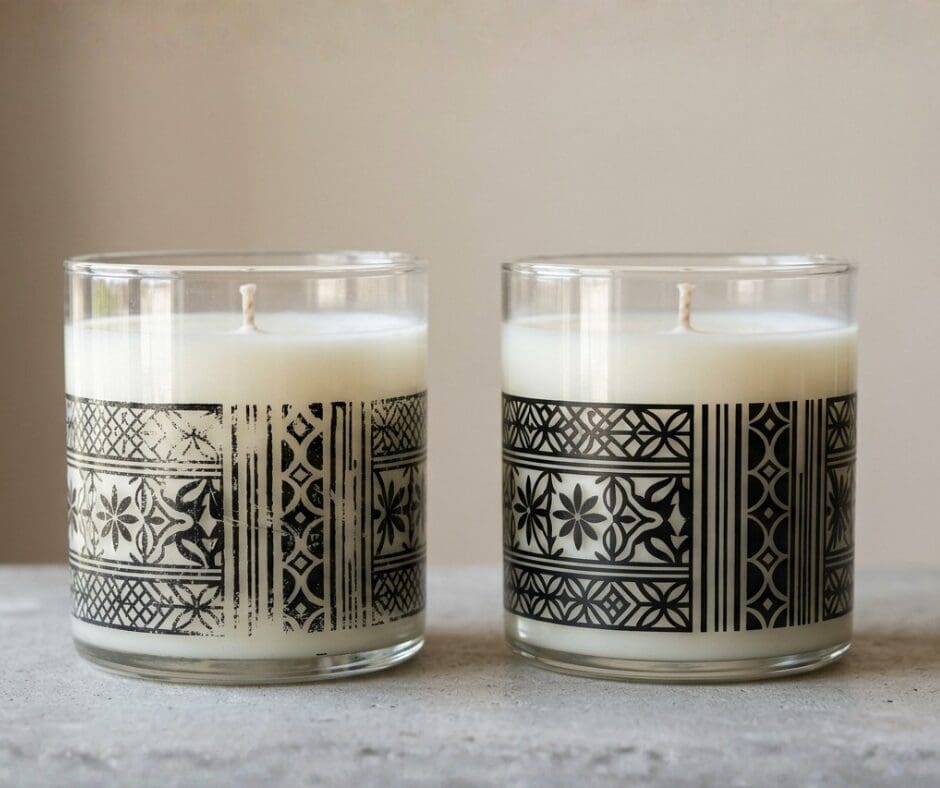
Screen printing on glass can create a clean, durable, and long-lasting finish. When done correctly, it becomes part of the container and holds up through handling, filling, and use.
But when it goes wrong, the issues are usually not subtle.
Print can scratch, fade, misalign, or fail to adhere altogether. And in many cases, the problem doesn’t show up until later in production.
Understanding what causes these failures helps you avoid delays, rework, and inconsistent results.
What “Failure” Actually Looks Like
Not all issues are obvious at first. Some only appear after filling, shipping, or customer use.
Common problems include:
- Ink scratching or rubbing off
- Poor adhesion to the glass surface
- Inconsistent color from batch to batch
- Misalignment or distortion in the print
- Small defects that become noticeable at scale
These issues are rarely caused by a single factor. More often, they come from a mismatch between the container, decoration process, and production conditions.
1. Surface Issues with the Glass
Glass is not always as uniform as it appears.
Variations in surface energy, coatings, or residues can affect how well ink adheres. Even small inconsistencies between batches can lead to different results in printing.
If the surface is not properly prepared or compatible with the decoration method, adhesion becomes unreliable.
How to prevent it:
- Use containers that are known to be compatible with decoration
- Account for batch variation during testing
- Work with partners who evaluate surface conditions before production
2. Incompatible Coatings or Treatments
Some glass containers come with coatings or treatments that interfere with ink adhesion.
These coatings may not be visible, but they can prevent the ink from bonding properly, leading to peeling or scratching later.
How to prevent it:
- Confirm whether the container has any surface treatments
- Test decoration on actual production containers, not just samples
- Align coating and decoration methods early in the process
3. Improper Curing
Curing is what gives screen printing its durability.
If the ink is not cured correctly, it may look fine at first but fail under stress, heat, or handling.
This is one of the most common reasons prints pass initial inspection but fail later.
How to prevent it:
- Ensure curing conditions match the ink and container requirements
- Validate durability with real-world handling tests
- Avoid rushing production timelines that affect curing quality
4. Design Limitations
Not every design translates well to screen printing.
Very fine lines, gradients, or highly detailed artwork may not reproduce cleanly on glass. This can lead to inconsistent or unclear results.
Designs that work well on labels do not always adapt directly to screen printing.
How to prevent it:
- Simplify artwork where needed for print clarity
- Use vector files optimized for screen printing
- Review designs with production in mind, not just aesthetics
5. Color Matching Challenges
Color can shift between sampling and full production.
Factors like glass tint, lighting, and ink application all influence how color appears. Without careful control, the final result may not match expectations.
How to prevent it:
- Allow time for proper color matching and approval
- Evaluate samples under different lighting conditions
- Understand that slight variation can occur and plan accordingly
6. Handling and Production Conditions
Even a well-executed print can be affected by what happens after decoration.
Filling, packing, and shipping all introduce variables that can impact durability and appearance.
How to prevent it:
- Consider the full production process, not just decoration
- Test containers after filling and handling
- Align decoration methods with how the product will be used
A More Reliable Approach
Most screen printing issues are not random. They are the result of decisions made earlier in the process.
When container selection, design, and production are aligned from the start, the risk of failure drops significantly.
Taking a more integrated approach helps ensure that what looks good in sampling continues to perform in production.
Bringing It All Together
Screen printing is a reliable and proven method for glass decoration, but it depends on the right conditions.
By understanding where issues come from, you can make better decisions upfront and avoid costly adjustments later.
For brands planning to scale, consistency matters just as much as appearance. Getting both right starts with a process that accounts for the full picture.
Quick Takeaway
- Screen printing failures are usually caused by surface, process, or design mismatches
- Issues often appear after production, not during sampling
- Container compatibility plays a bigger role than most brands expect
- Planning ahead reduces rework and improves consistency