Two Color Inside/Outside Glass Coating
Two Surfaces. Two Colors. Greater Depth.
A Guide to Two Color Inside/Outside Glass Finishes for Decorative Packaging
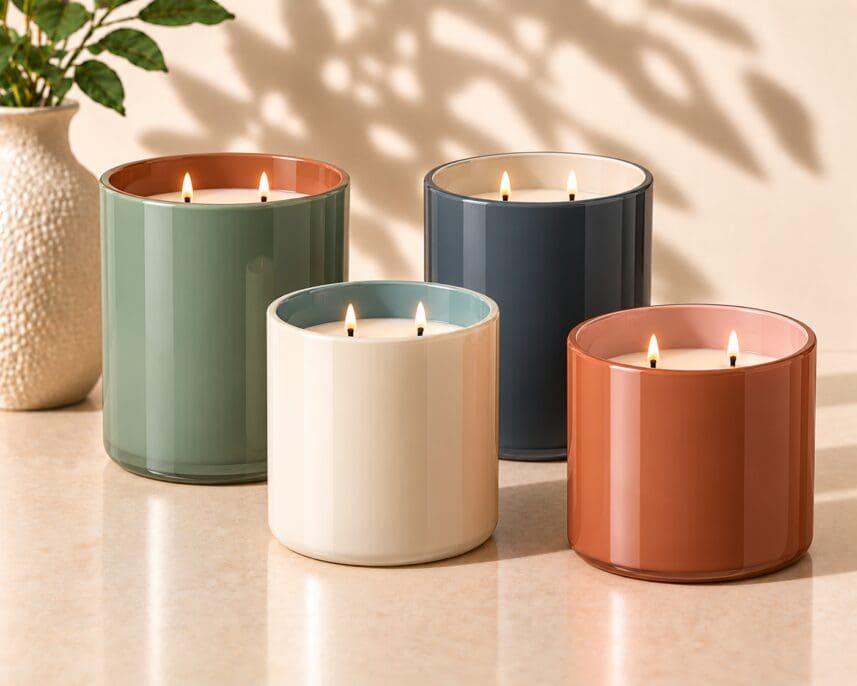
Two Color Inside/Outside uses both surfaces of a candle vessel as part of the design, applying one color to the interior and another to the exterior. Rather than placing two colors next to one another, the technique layers them through the glass itself, creating depth and visual interaction that a single-surface coating cannot achieve.
Available specifically for candle applications, the technique allows brands to combine different colors, levels of transparency, and surface appearances for anything from subtle tonal dimension to dramatic contrast.
What Is Two Color Inside/Outside?
Two Color Inside/Outside is a decorative glass technique that applies one coating to the interior surface of the glass and a second coating to the exterior surface.
Because the two colors occupy different physical layers, they can interact visually through the glass rather than simply appearing beside one another.
The effect depends heavily on the properties selected for each layer. A more transparent exterior can allow the interior color to influence the overall appearance, while greater exterior opacity can create a stronger separation between the two colors.
This gives designers control over not only which colors are used, but how those colors interact through the glass.
What Makes Two Color Inside/Outside Unique?
Two Color Inside/Outside creates depth through physical layering.
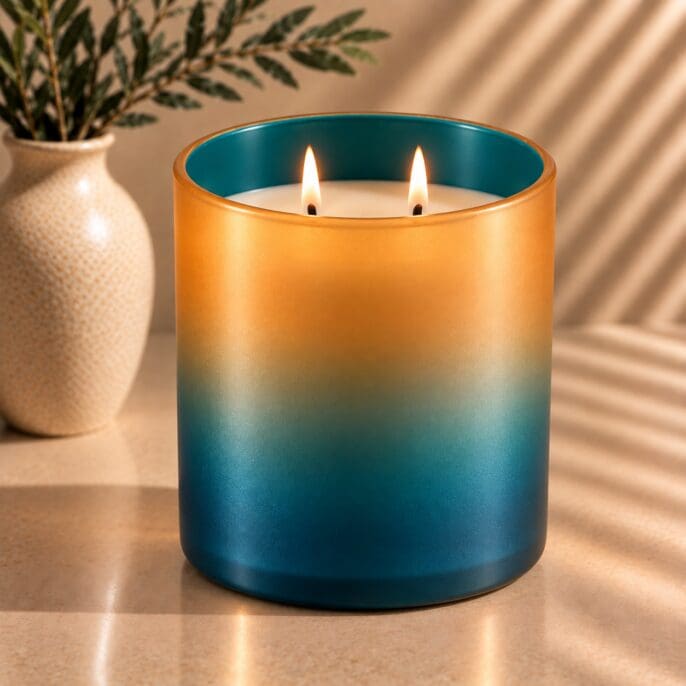
Unlike Two Color Ombre, where two colors transition across the same surface, Inside/Outside places the colors on separate surfaces of the container. The glass itself becomes part of the space between those layers.
Depending on transparency, color, and finish selections, the interior color may subtly influence the exterior appearance or become most noticeable at the rim, base, openings, and other areas where the interior is visible.
The result is a finish that can feel layered, dimensional, and unexpectedly different as the container is viewed from multiple angles.
Why Designers Choose Two Color Inside/Outside
- Two independently selected colors
- True physical layering through the glass
- Strong visual depth
- Variable transparency and opacity
- Subtle or dramatic color relationships
- Different interior and exterior experiences
- Greater dimensionality than a single coating
- Strong compatibility with screen printing
- Extensive creative flexibility
Reflectivity
Variable ★★★☆☆
Light Transmission
Variable ★★★☆☆
Visual Depth
Exceptional ★★★★★
Surface Texture
Variable by exterior finish ★★★☆☆
Fingerprint Visibility
Variable ★★★☆☆
Print Compatibility
Excellent ★★★★★
Color Flexibility
Virtually Unlimited ★★★★★
How Two Color Inside/Outside Interacts With Light
RETAIL LIGHTING
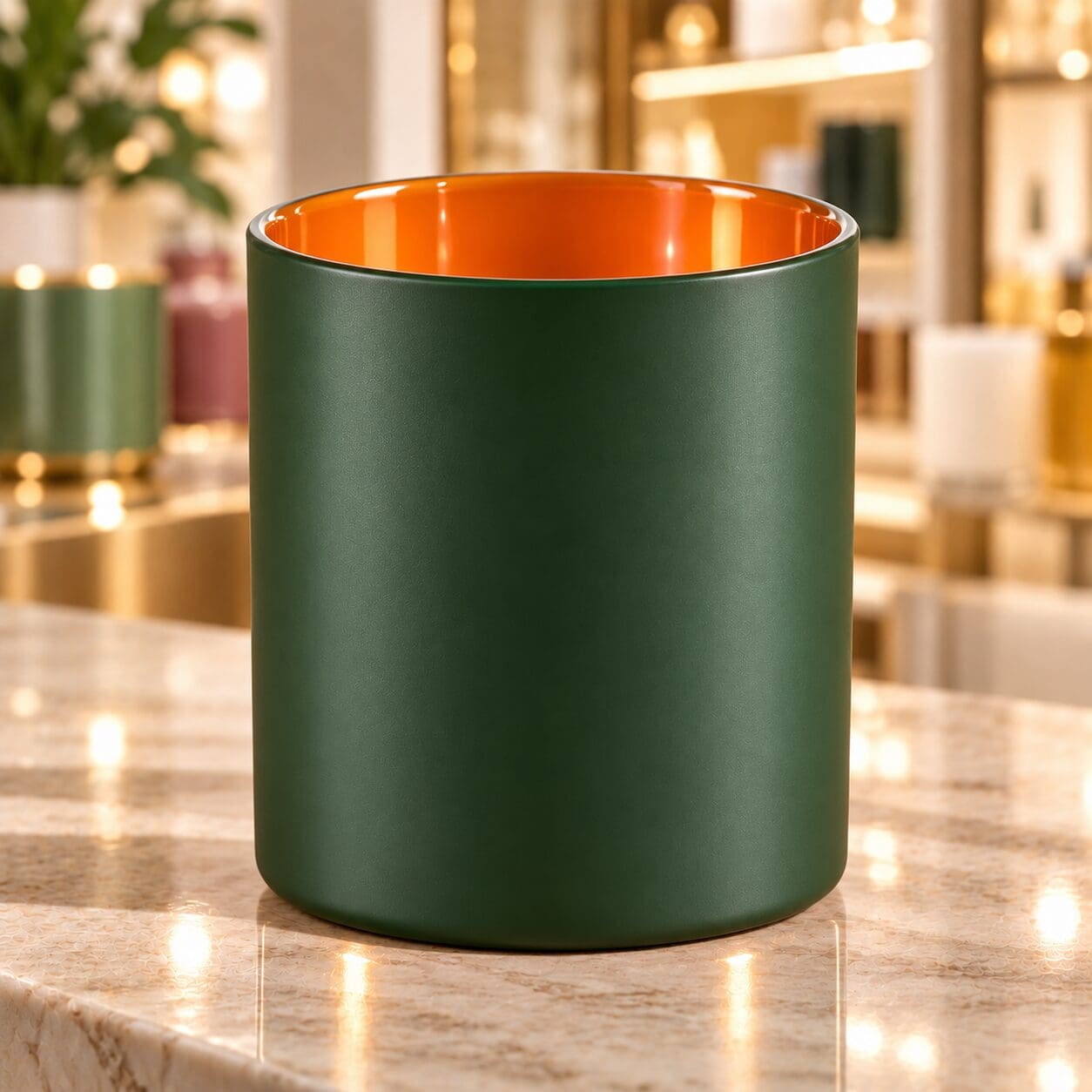
Bright retail lighting makes the relationship between the two colors easier to recognize, particularly when the exterior allows some visibility into the glass.
Highlights along the rim, base, and contours can also reveal the interior color and reinforce the layered construction of the finish.
HOME LIGHTING
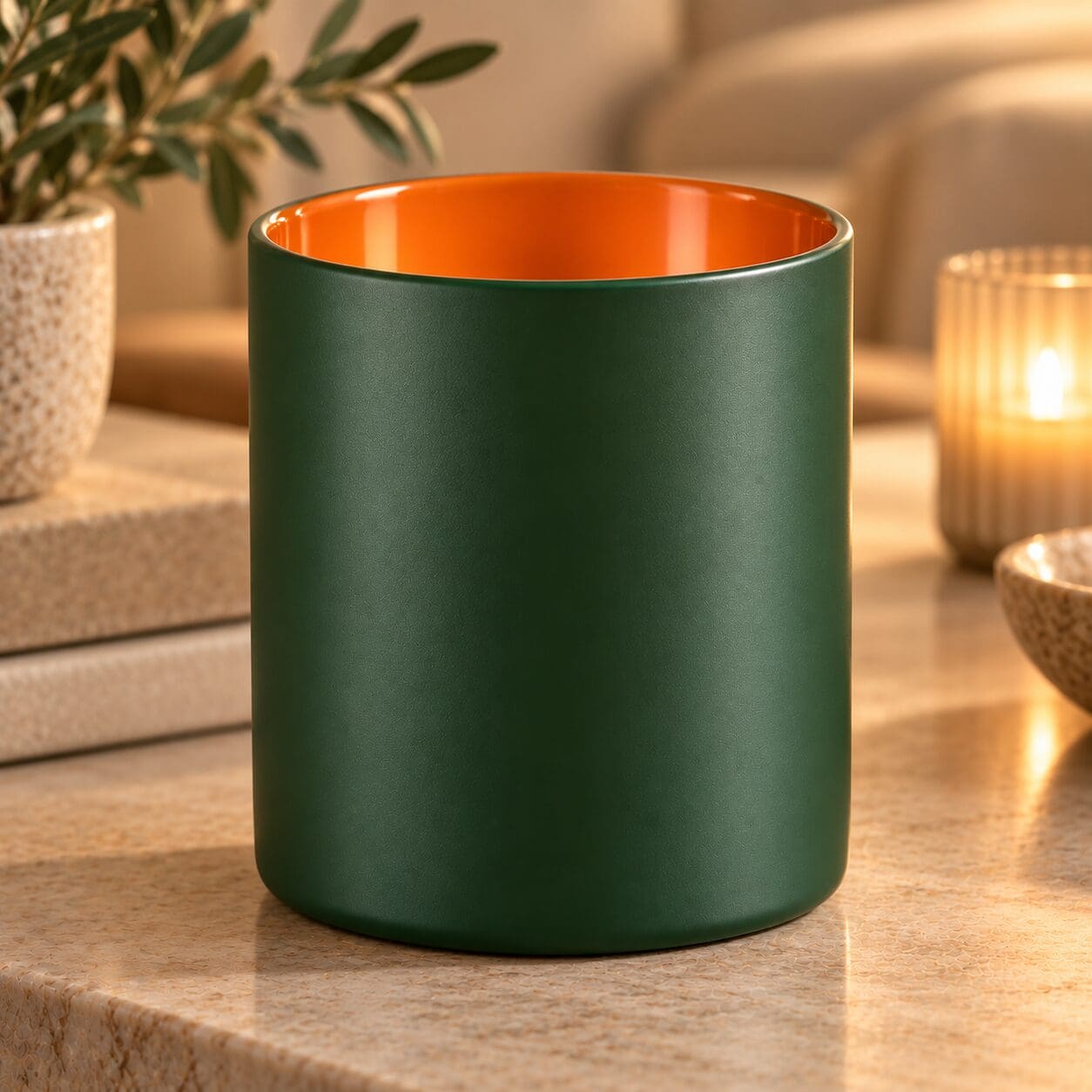
Softer ambient lighting can make the interaction between the colors feel deeper and more subtle.
Transparent or translucent exterior treatments may allow the interior color to influence the overall appearance, while more opaque combinations maintain stronger separation between the two surfaces.
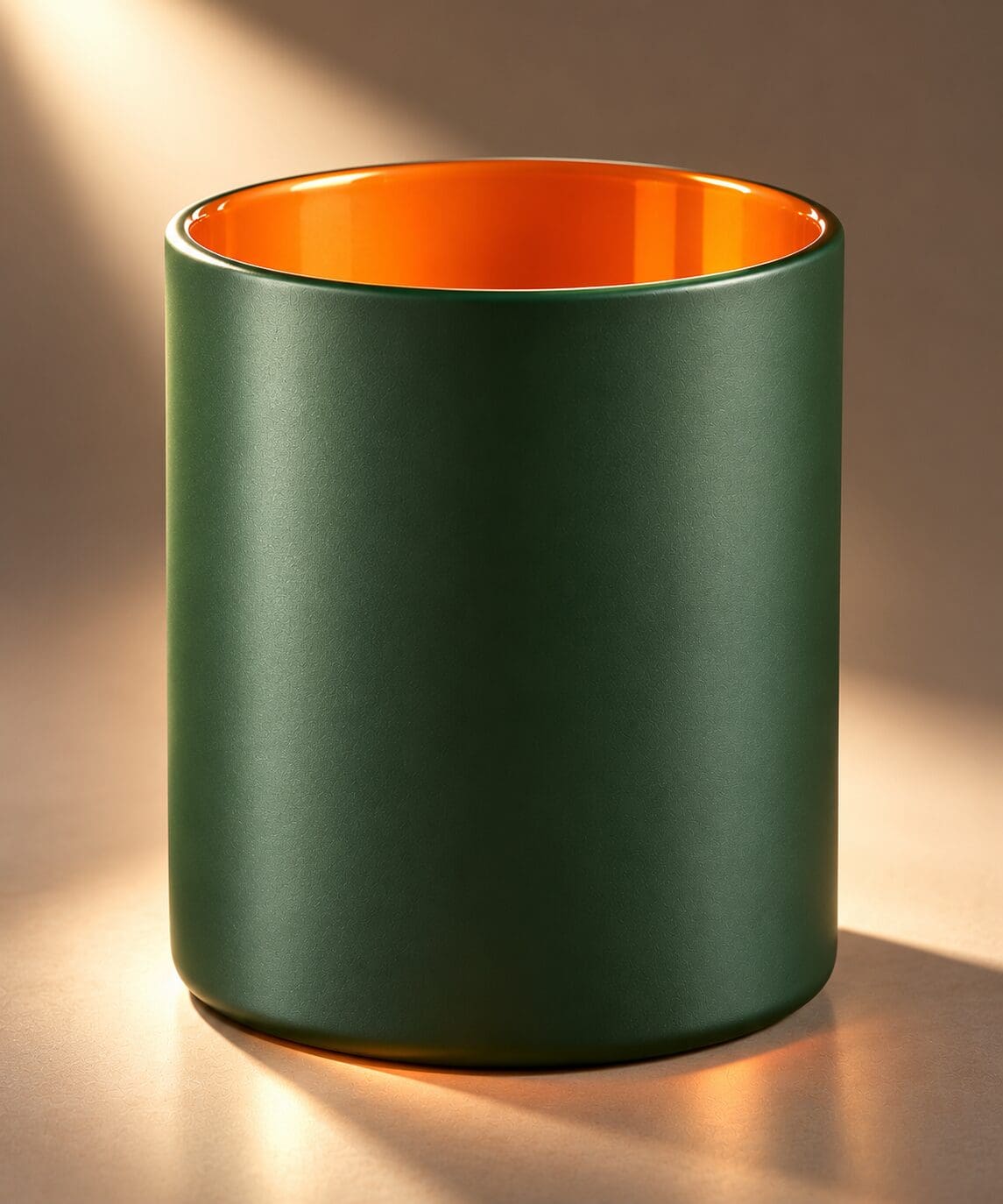
DIRECTIONAL SPOTLIGHT
Focused lighting emphasizes the physical depth between the interior and exterior coatings.
Edges, curves, the base, and changes in glass thickness can become particularly interesting as light travels through or reflects from the different layers.
Color Flexibility
Two Color Inside/Outside provides extensive color flexibility because each surface can be developed independently.
The two colors can be closely related for subtle depth or intentionally contrasted to make the layered construction more obvious.
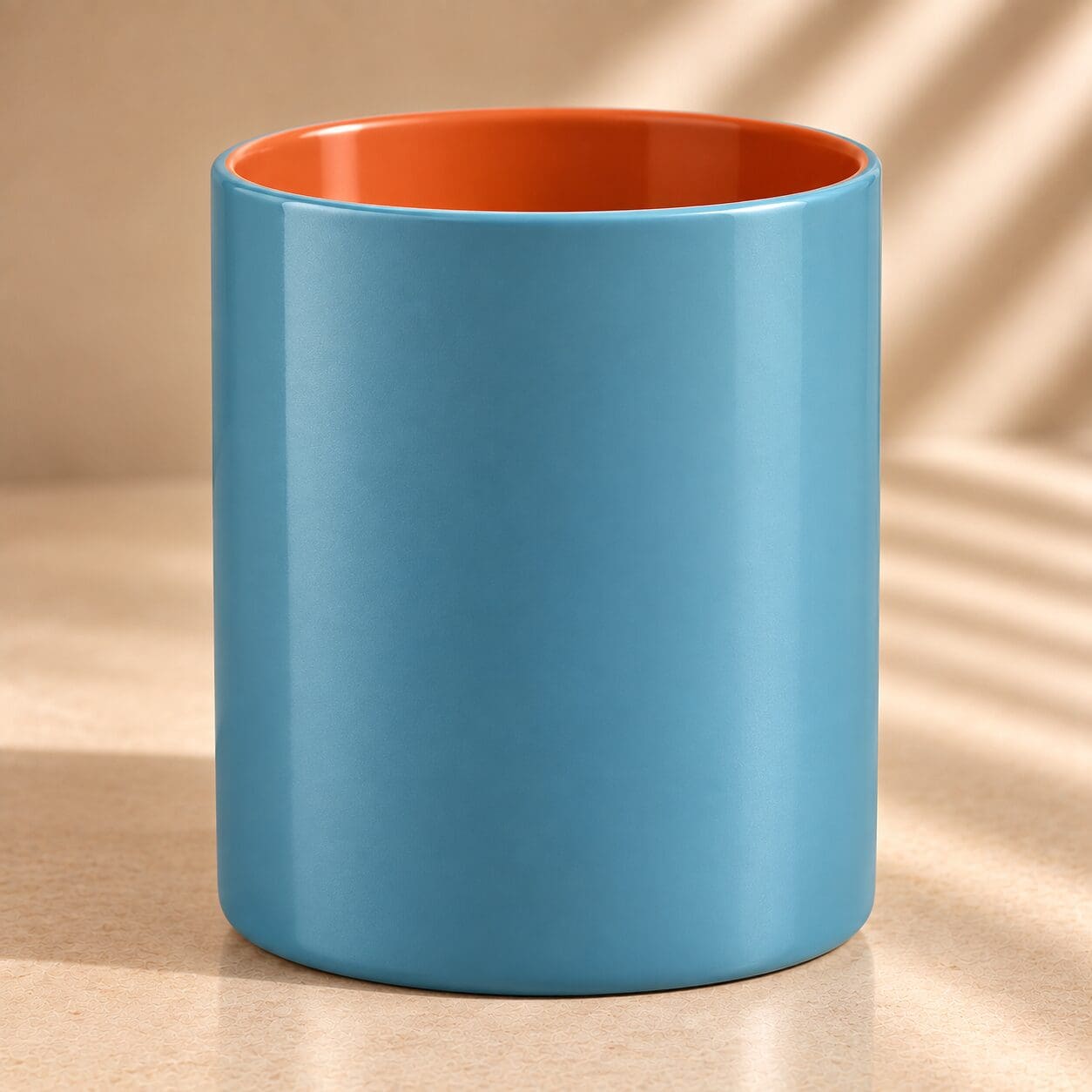
Cerulean + Persimmon
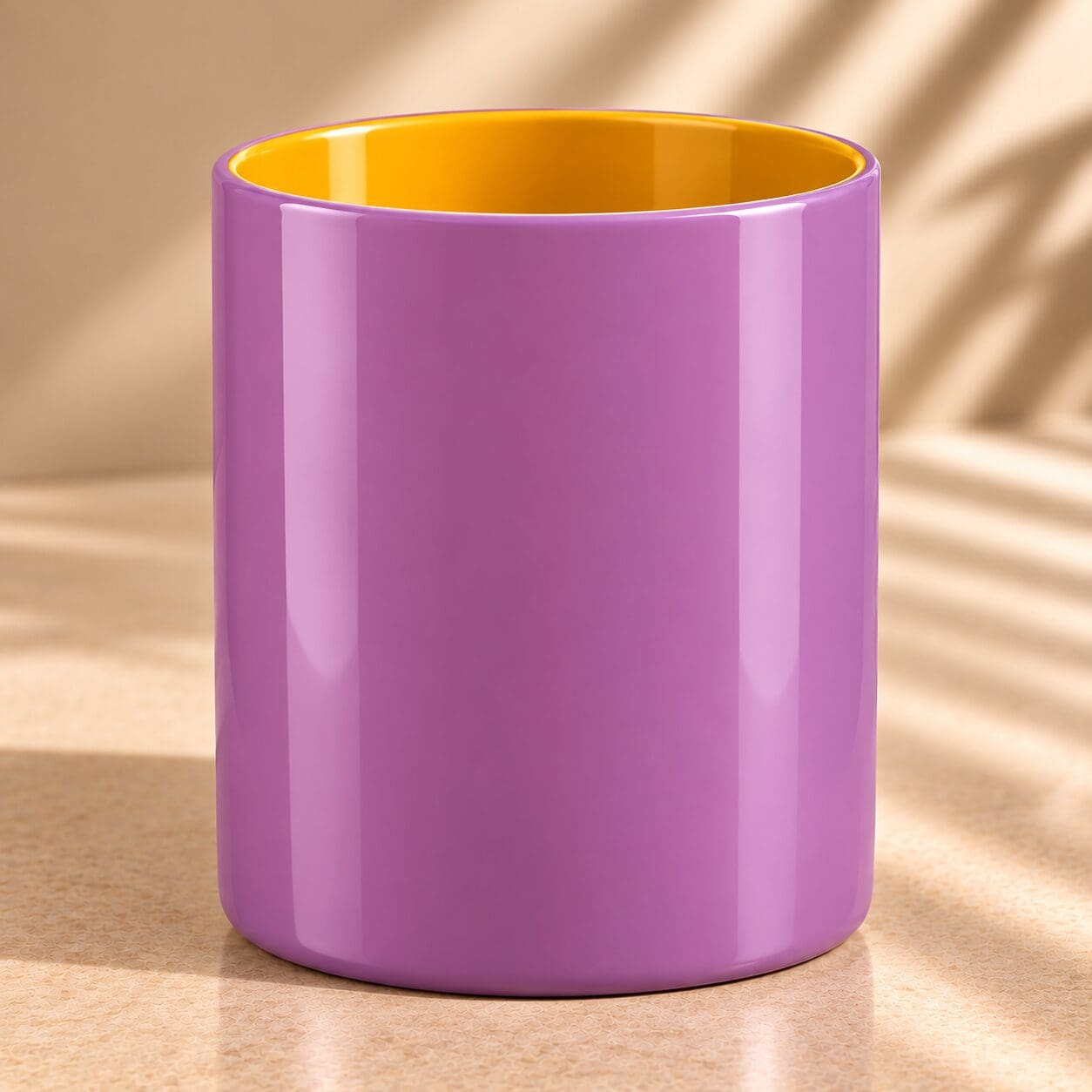
Orchid + Saffron
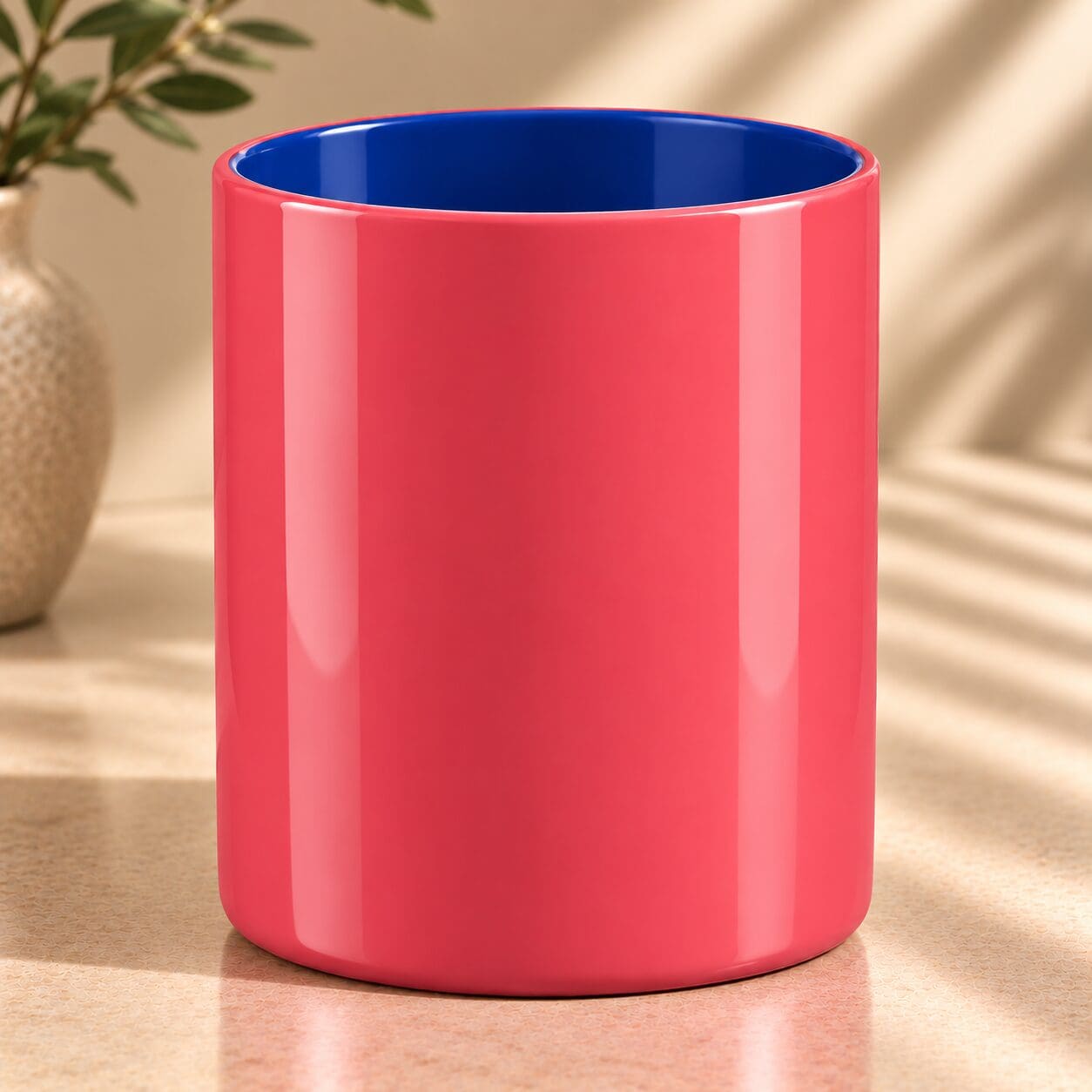
Watermelon + Cobalt
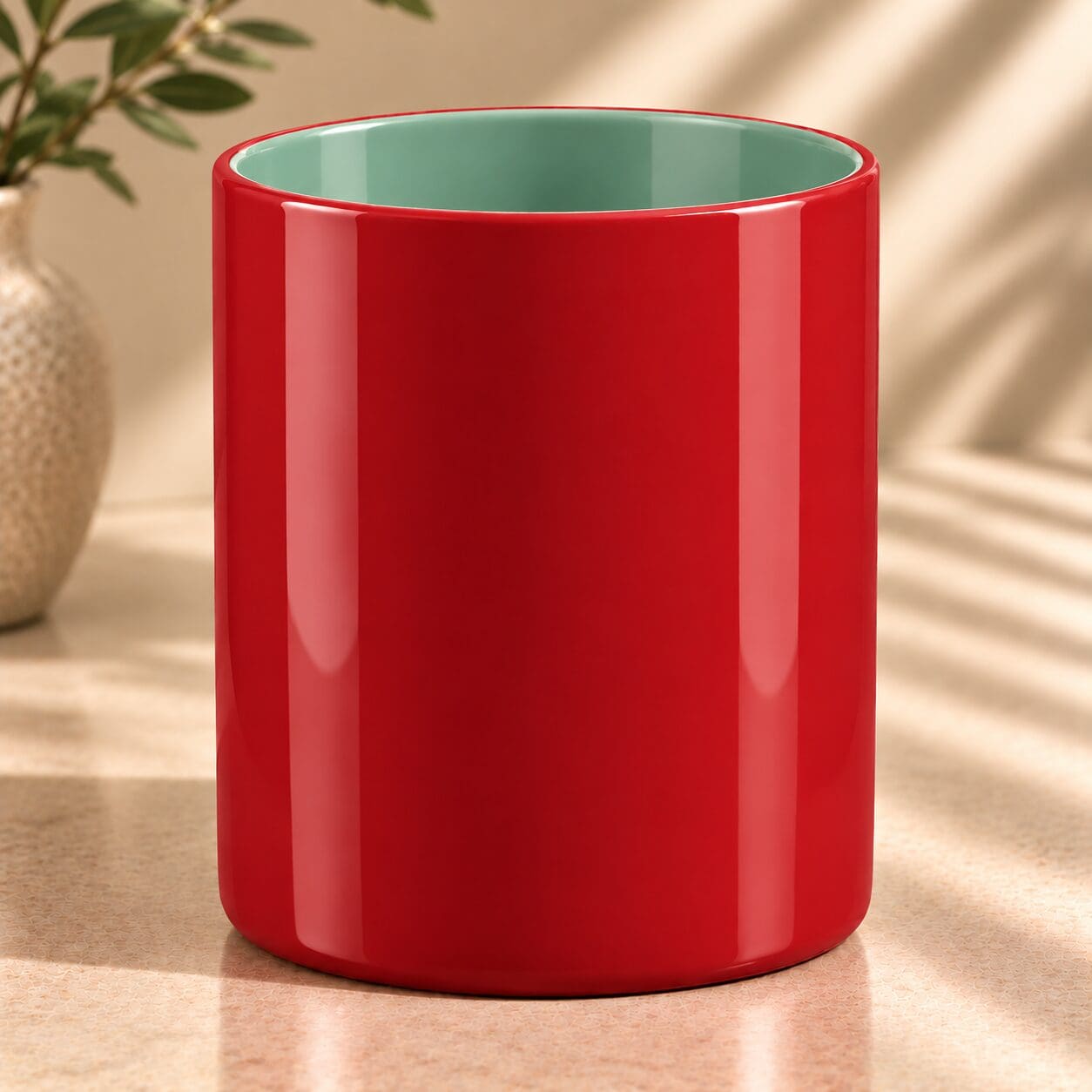
Seafoam + Cherry Red
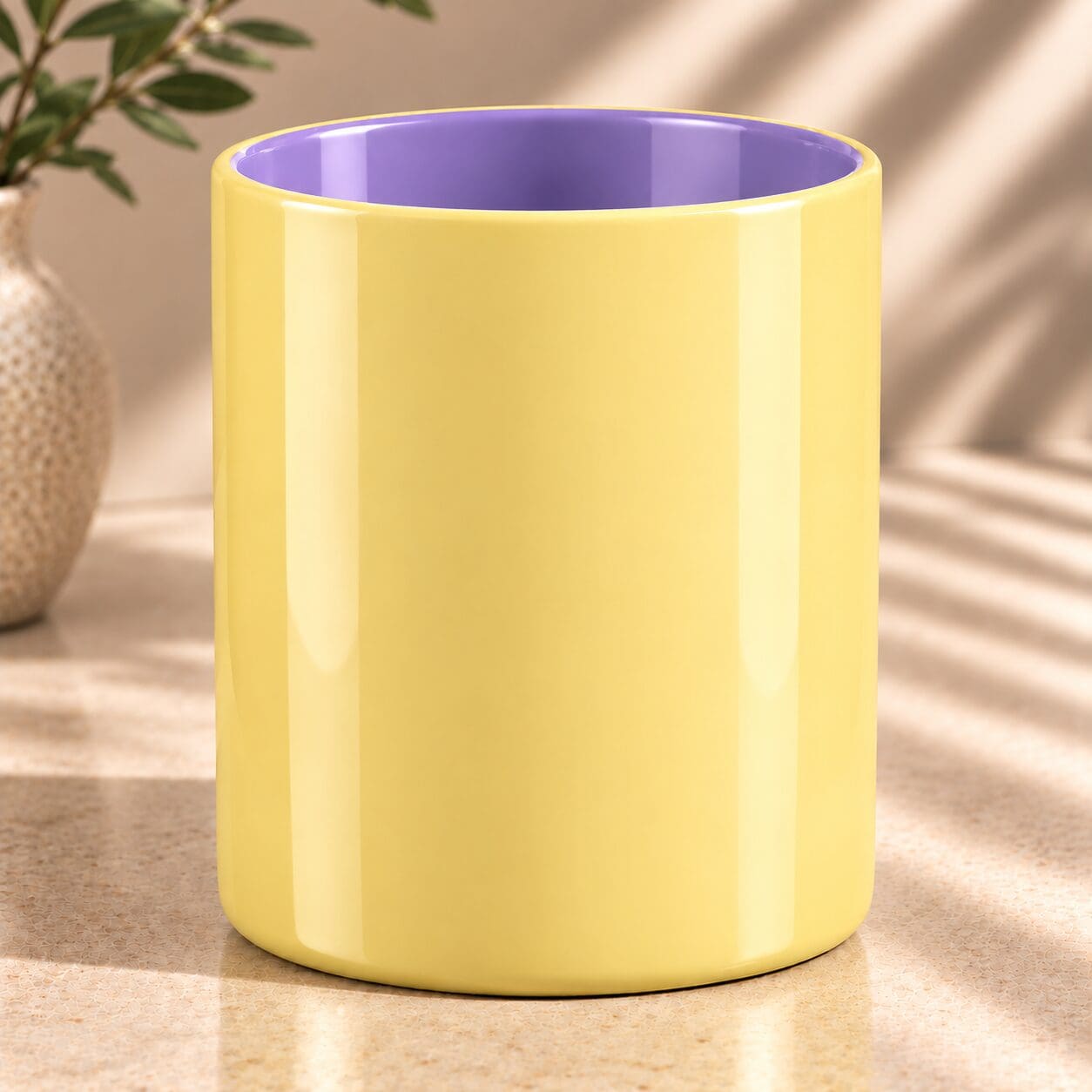
Butter Yellow + Cool Violet
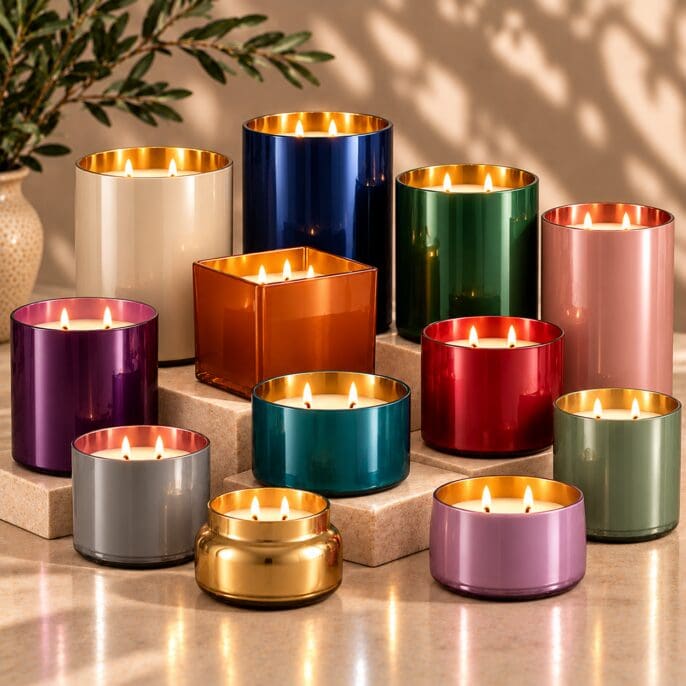
Common Applications
Two Color Inside/Outside is specifically available for candle vessels, where decorating both surfaces can create additional depth and a distinctive visual relationship between the interior and exterior colors.
Common applications include:
- Candle vessels
- Home fragrance collections
- Seasonal candle collections
- Limited-edition candle launches
- Premium candle packaging
Decorative Techniques That Pair Well With Transparent Gloss
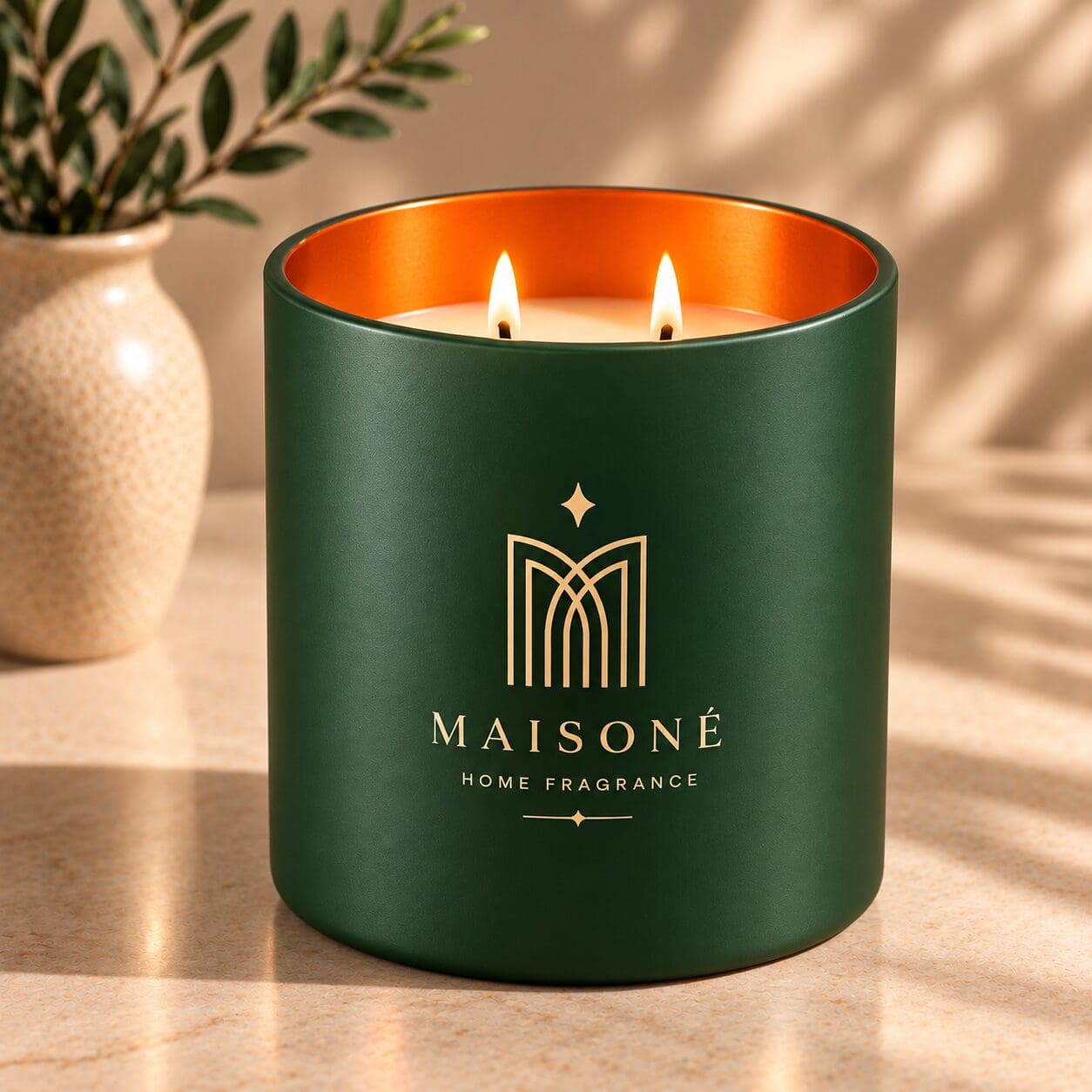
Screen Print
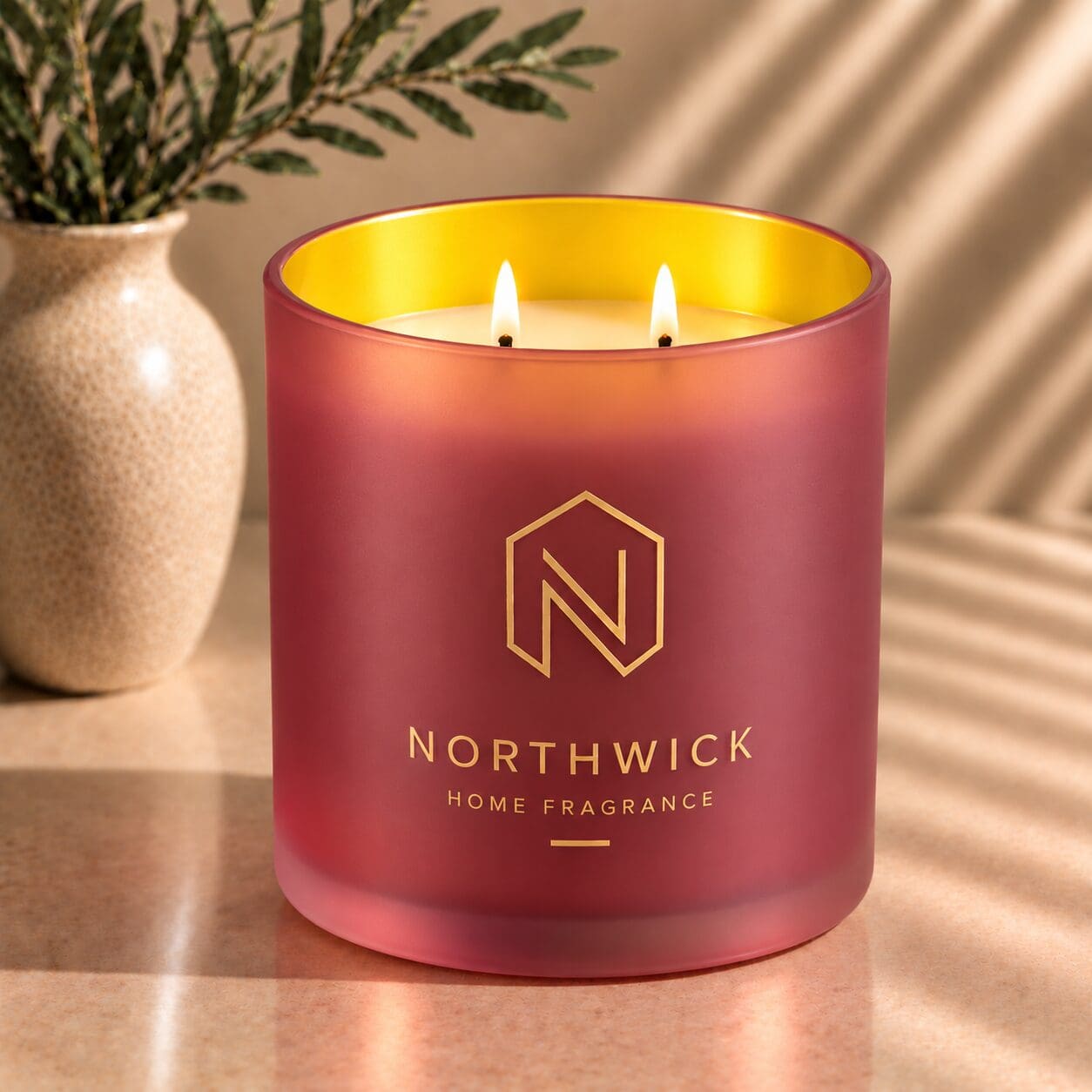
Metallic Screen Printing
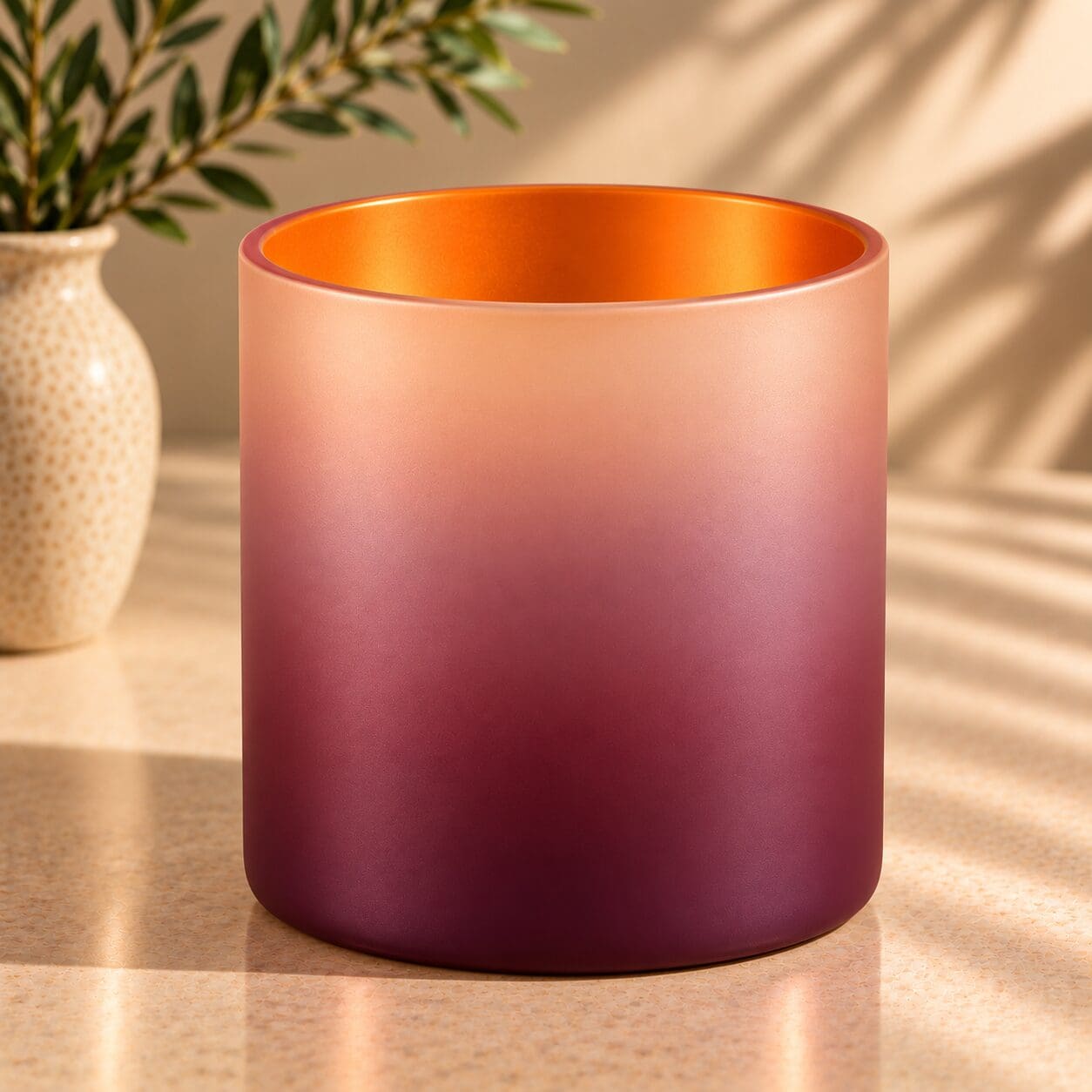
Select Layered Coating Combinations
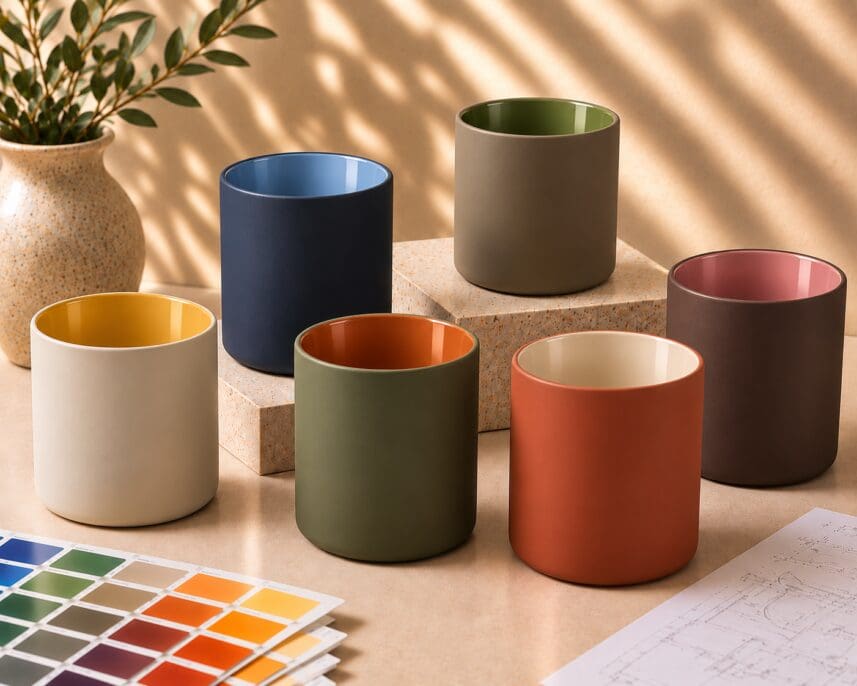
Manufacturing Considerations
Two Color Inside/Outside requires both coatings to be considered as one complete finish system, rather than treating each color independently.
- Interior and exterior colors should be evaluated together.
- Exterior transparency influences how strongly the interior color affects the final appearance.
- Greater exterior opacity can reduce the visibility of the interior layer through the sidewalls.
- The interior color may remain visible at the rim, opening, base, or other exposed areas.
- Glass thickness can influence how the two colors interact visually.
- Container geometry affects where the layered effect is most noticeable.
- Interior and exterior lighting conditions can change the perceived relationship between colors.
- Additional printing should be evaluated against the completed two-layer appearance.
- Production sampling is recommended before finalizing the combination.
The most successful combinations consider color, coverage, glass, and surface appearance together from the beginning of development.
Frequently Asked Questions
Compare Other Finishes
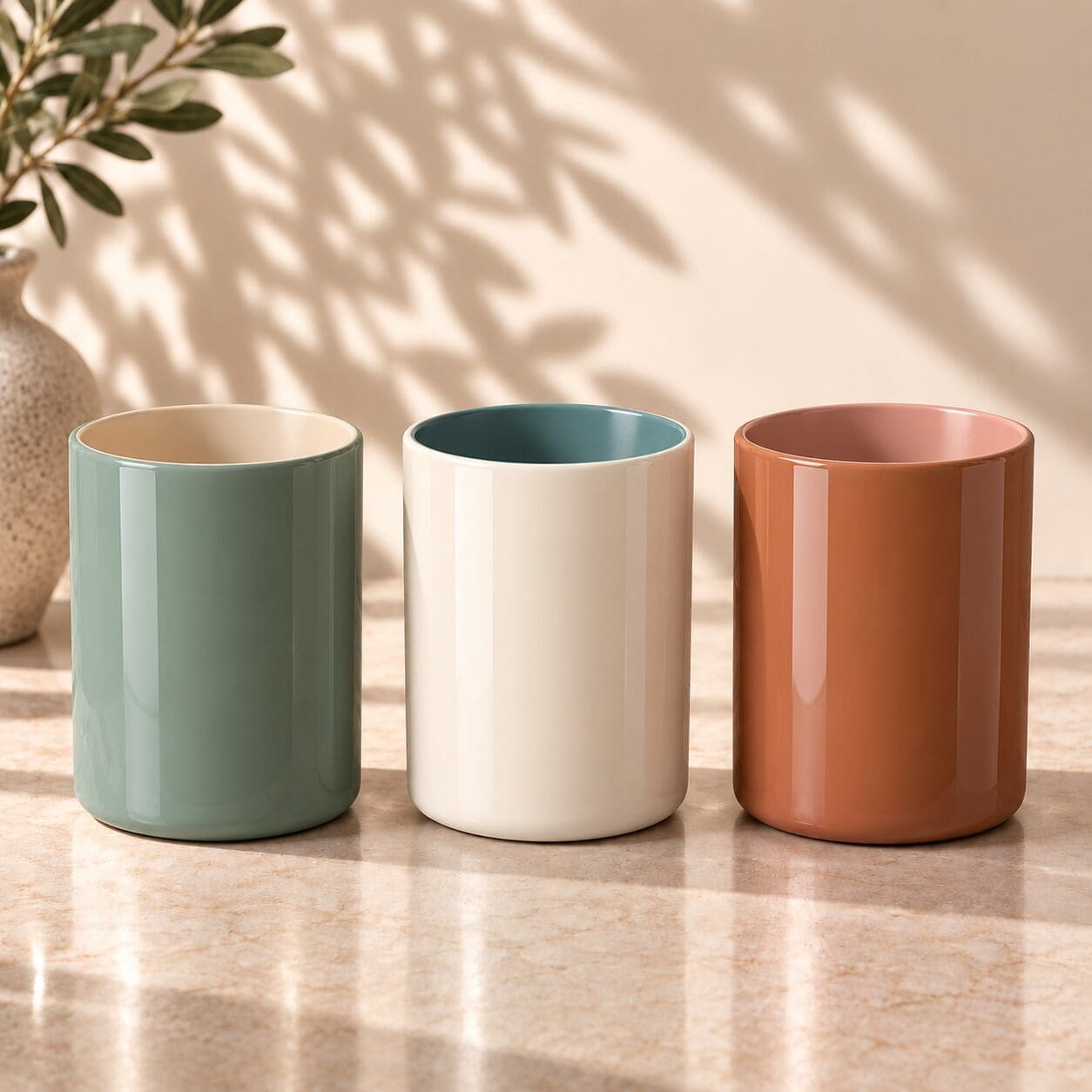
Two Color Inside/Outside
Places separate colors on the interior and exterior surfaces, creating physical layering and depth through the glass.
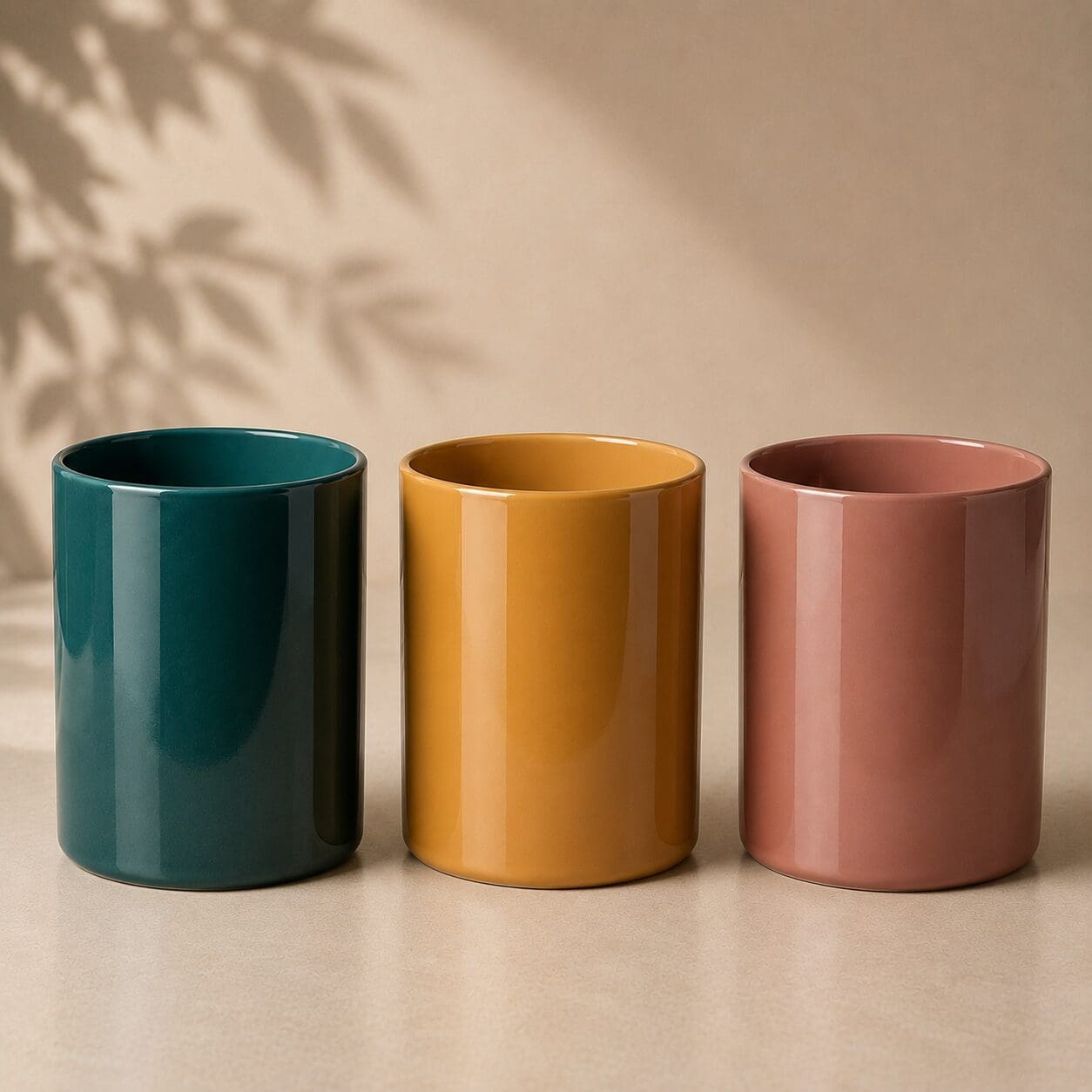
Opaque Gloss
Provides strong, consistent exterior color coverage with a polished surface and minimal influence from the glass beneath it.
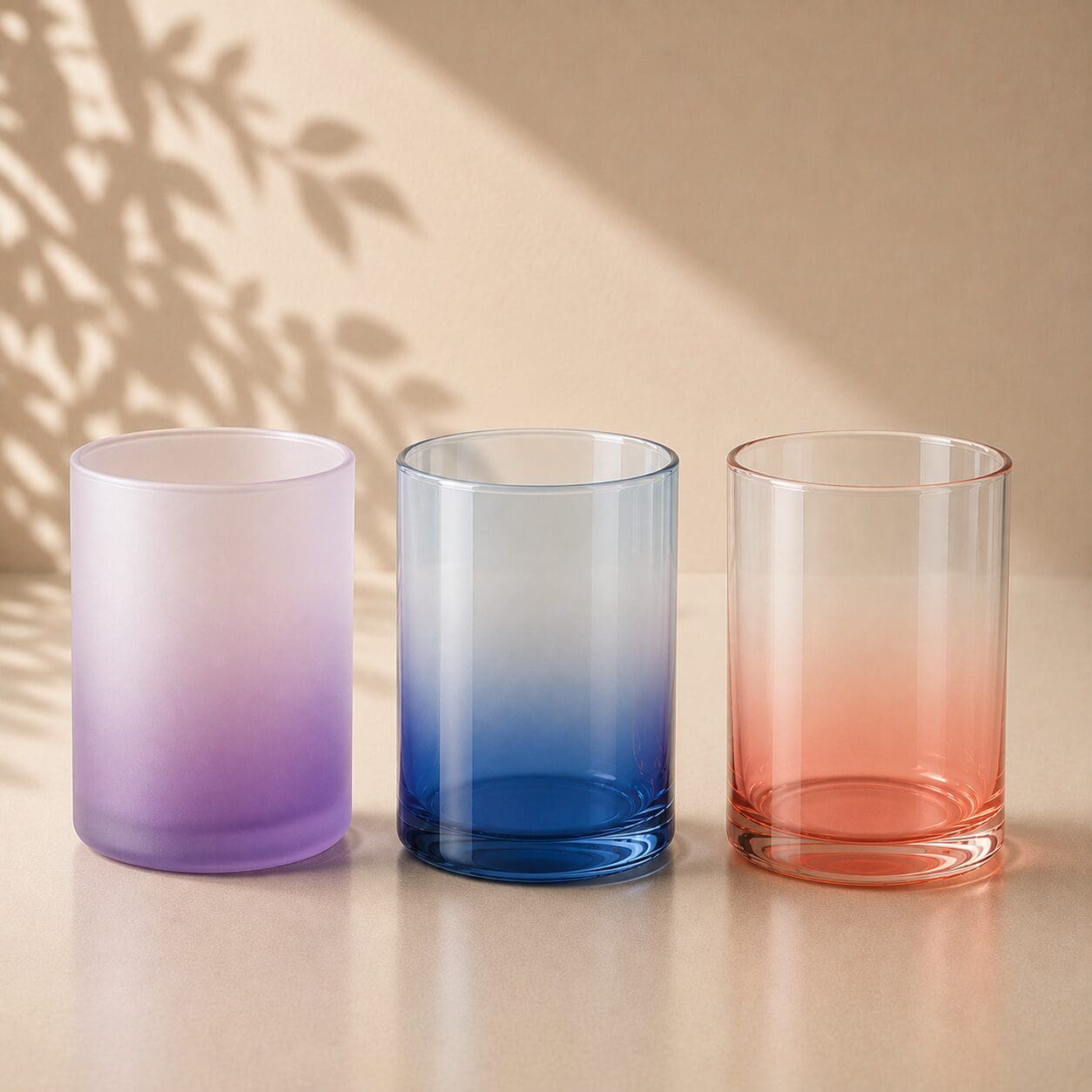
Two Color Ombre
Transitions between two colors across the surface of the container.
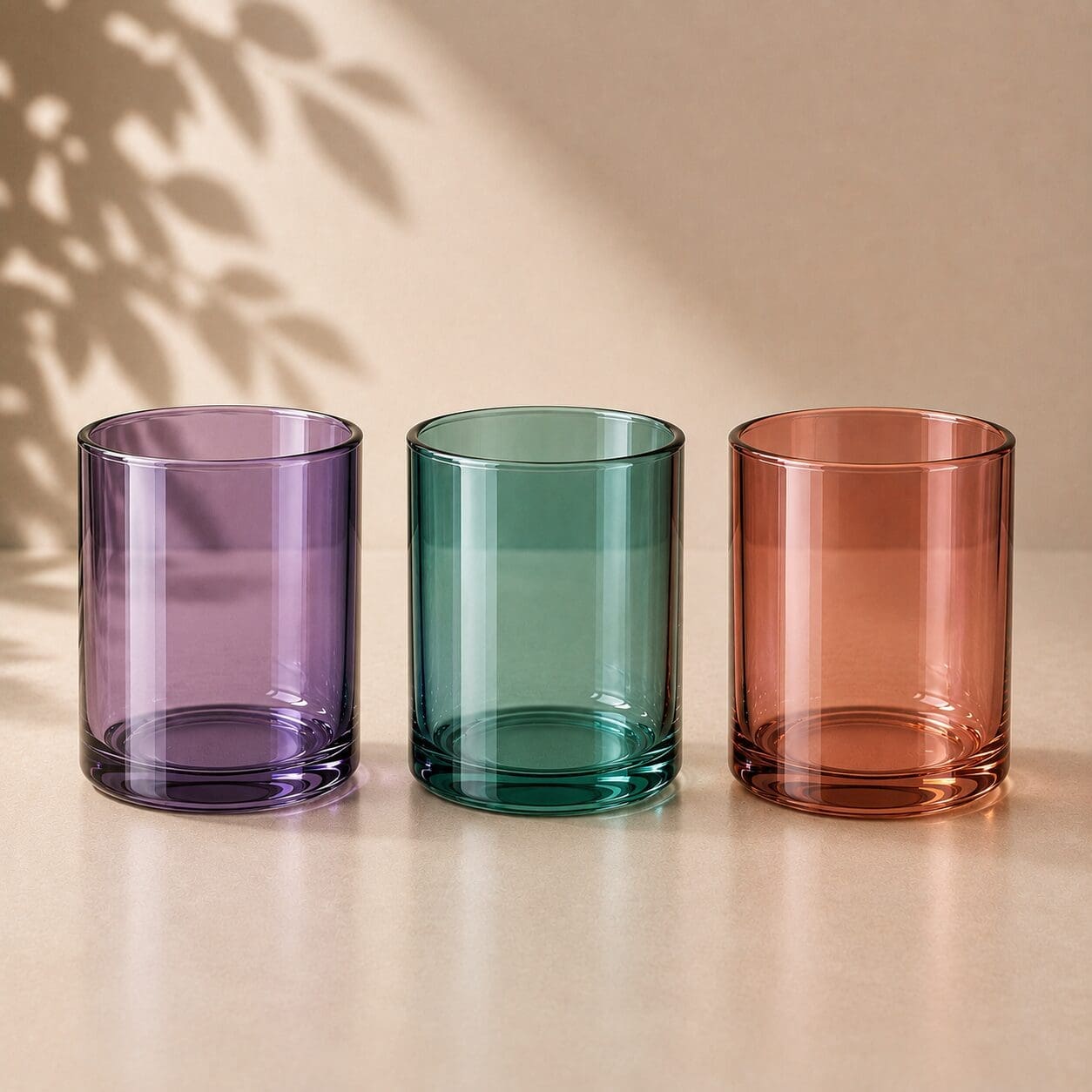
Transparent Gloss
Uses a single transparent colored surface to preserve clarity and allow significant interaction with the glass.
Which Finish Is Right for You?
| If you’re looking for… | Choose… | Why |
|---|---|---|
| Clear glass depth with transparent color | Transparent Gloss | Allows light and the underlying glass to remain prominent. |
| A visible gradient between two colors | Two Color Ombre | Blends two colors across the container in a controlled transition. |
| Two colors layered through the glass | Two Color Inside/Outside | Uses separate interior and exterior surfaces to create dimensional color interaction. |
| Solid color with brilliant shine | Opaque Gloss | Provides complete color coverage with a polished exterior appearance. |
Ready to Explore Two Color Inside/Outside?
Looking for more depth than a conventional two-color treatment?
Two Color Inside/Outside combines two custom colors, separate interior and exterior surfaces, and flexible coverage to create a layered glass finish with depth built directly into the design.
Request a sample or connect with our decorating specialists to explore the right Inside/Outside combination for your next project.