Granite Glass Coating
Organic Texture. Distinctive Dimension.
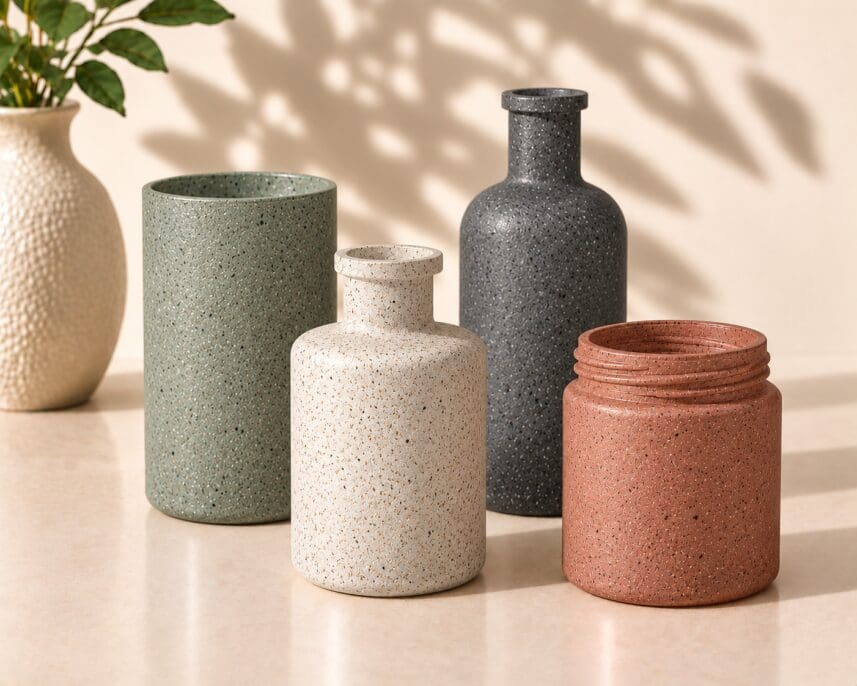
A Guide to Granite Glass Finishes for Decorative Packaging
Granite brings a textured, mineral-inspired appearance to decorated glass, introducing visible variation that breaks away from the uniformity of traditional coatings. Rather than relying primarily on gloss, transparency, or reflection, Granite makes texture and material character central to the design.
Combined with custom color, the effect can range from subtle and refined to bold and highly expressive, giving brands another way to create glass that feels visually substantial and distinctive.
What Is Granite?
Granite is a specialty decorative glass technique that creates a textured, granular appearance across the surface of a container.
The finish incorporates visible particulate variation that gives the surface greater dimension than a conventional smooth coating. Instead of presenting one uninterrupted field of color, Granite introduces irregularity throughout the finish, creating a more material-driven appearance.
Color, particle visibility, coverage, and the underlying coating can all influence the final result, allowing Granite to take on different personalities depending on the desired design direction.
What Makes Granite Unique?
Granite introduces visible texture and organic variation directly into the decorated surface.
While finishes such as Gloss, Frost, and Silk are primarily defined by how a smooth coating interacts with light, Granite adds another visual element: particulate texture.
The distribution of that texture creates subtle variation from one area of the surface to another, giving the glass a more natural and less uniform appearance.
The result is a finish that feels dimensional, tactile, material-driven, and intentionally varied.
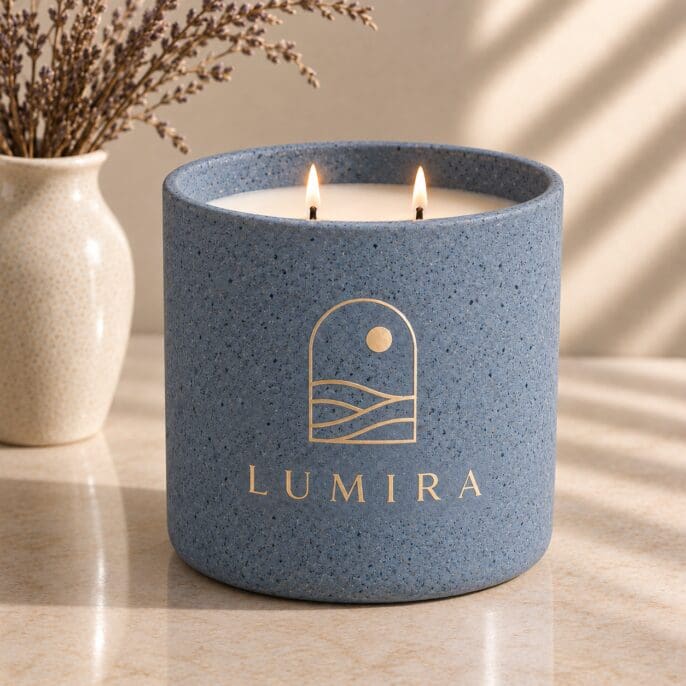
Why Designers Choose Granite
Granite is often selected because it offers:
- Distinctive textured appearance
- Visible surface dimension
- Organic visual variation
- Custom color possibilities
- Strong material character
- A less uniform alternative to conventional coatings
- Strong shelf differentiation
- Compatibility with additional decoration
- Contemporary or natural design possibilities
Reflectivity
Low to Moderate ★★☆☆☆
Light Transmission
Variable ★★★☆☆
Visual Depth
High ★★★★☆
Surface Texture
Textured ★★★★★
Fingerprint Visibility
Low ★★★★☆
Print Compatibility
Good ★★★★☆
Color Flexibility
Excellent ★★★★★
How Granite Interacts With Light
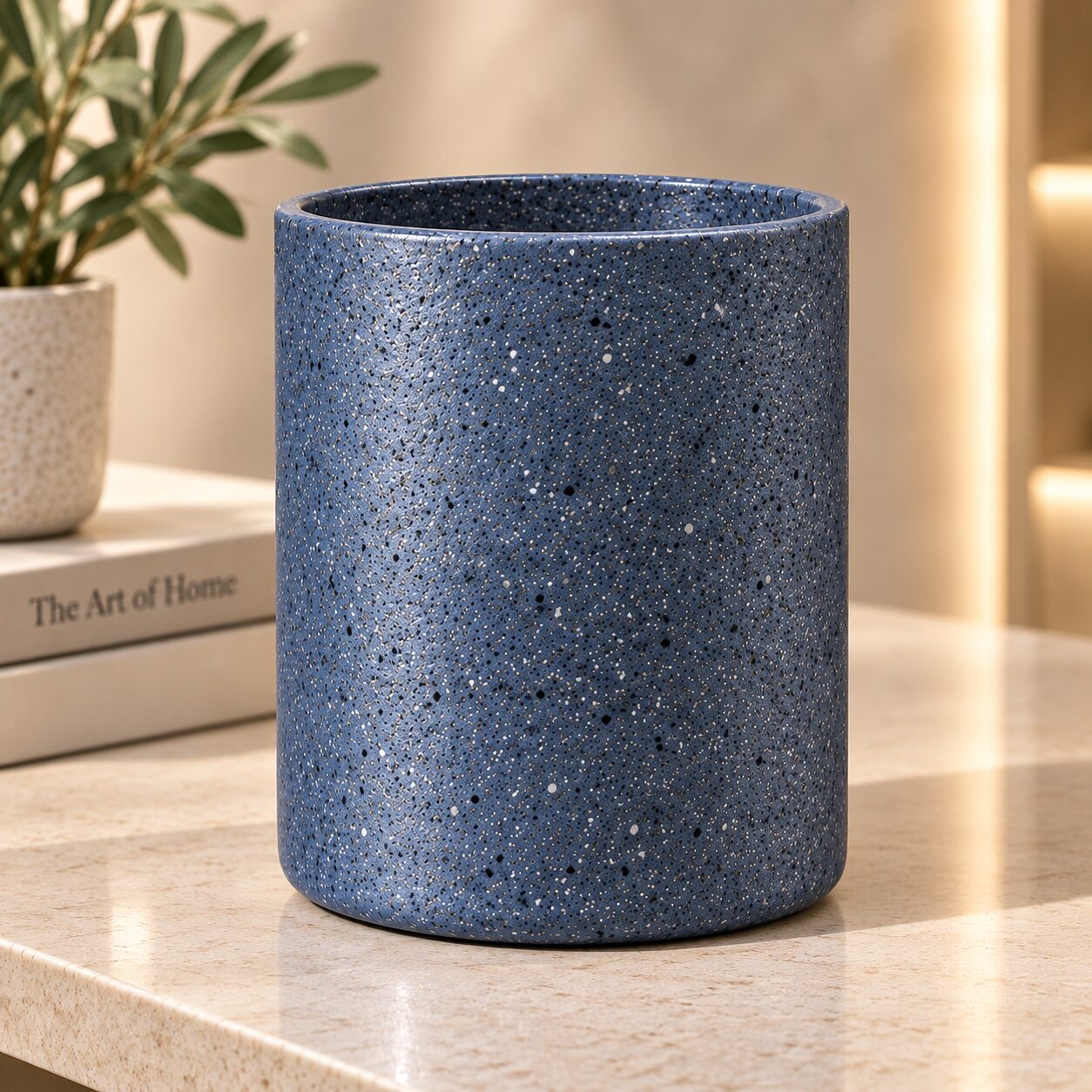
RETAIL LIGHTING
Bright retail lighting makes the granular variation easier to recognize, particularly when light strikes the container from multiple directions.
Rather than producing one continuous reflection, the textured surface creates smaller highlights and shadows that help define the Granite effect from different viewing angles.
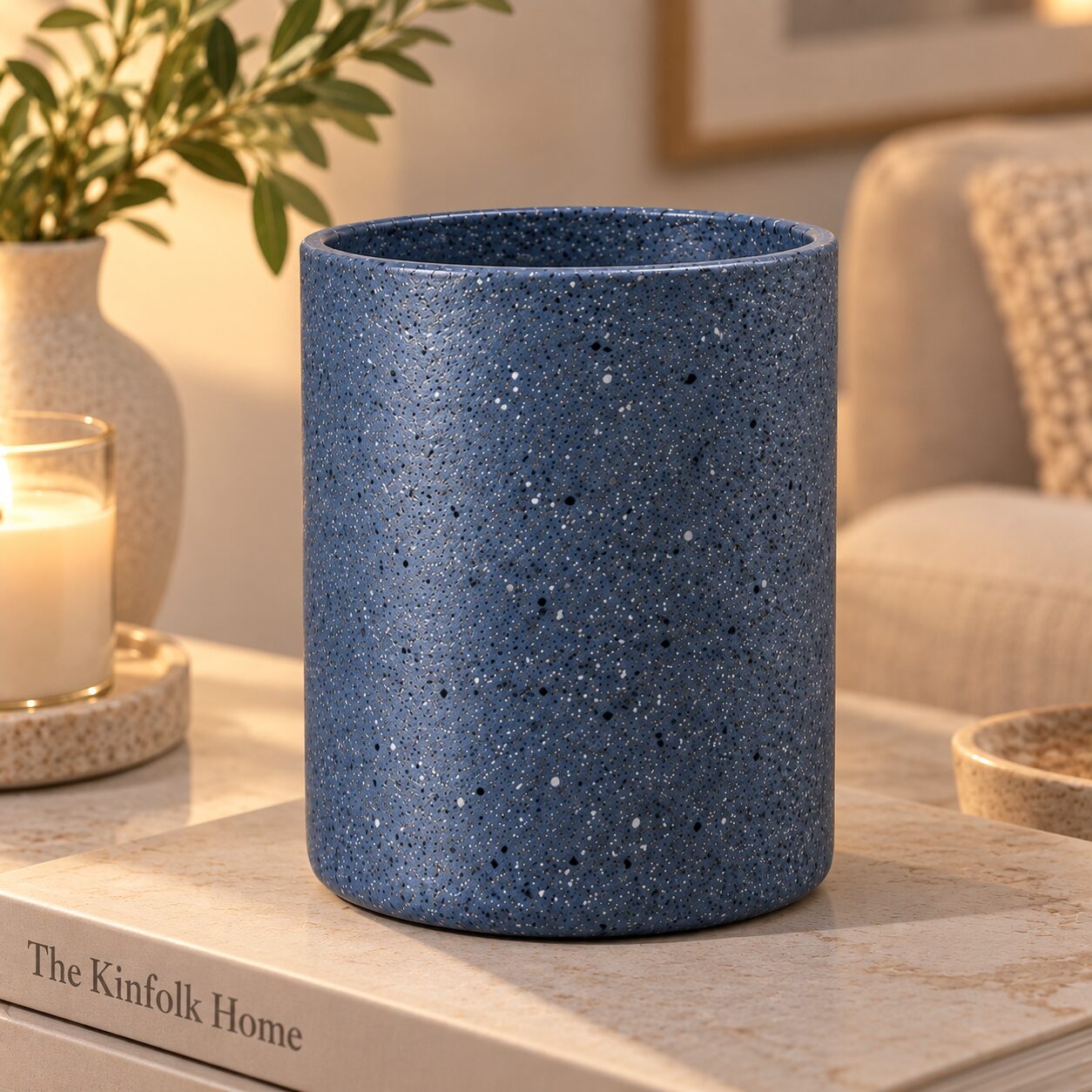
HOME LIGHTING
Softer ambient lighting creates a more subdued interpretation of Granite.
The texture remains visible but can feel more integrated into the overall color, creating a warmer, more material-focused appearance rather than emphasizing individual particles.
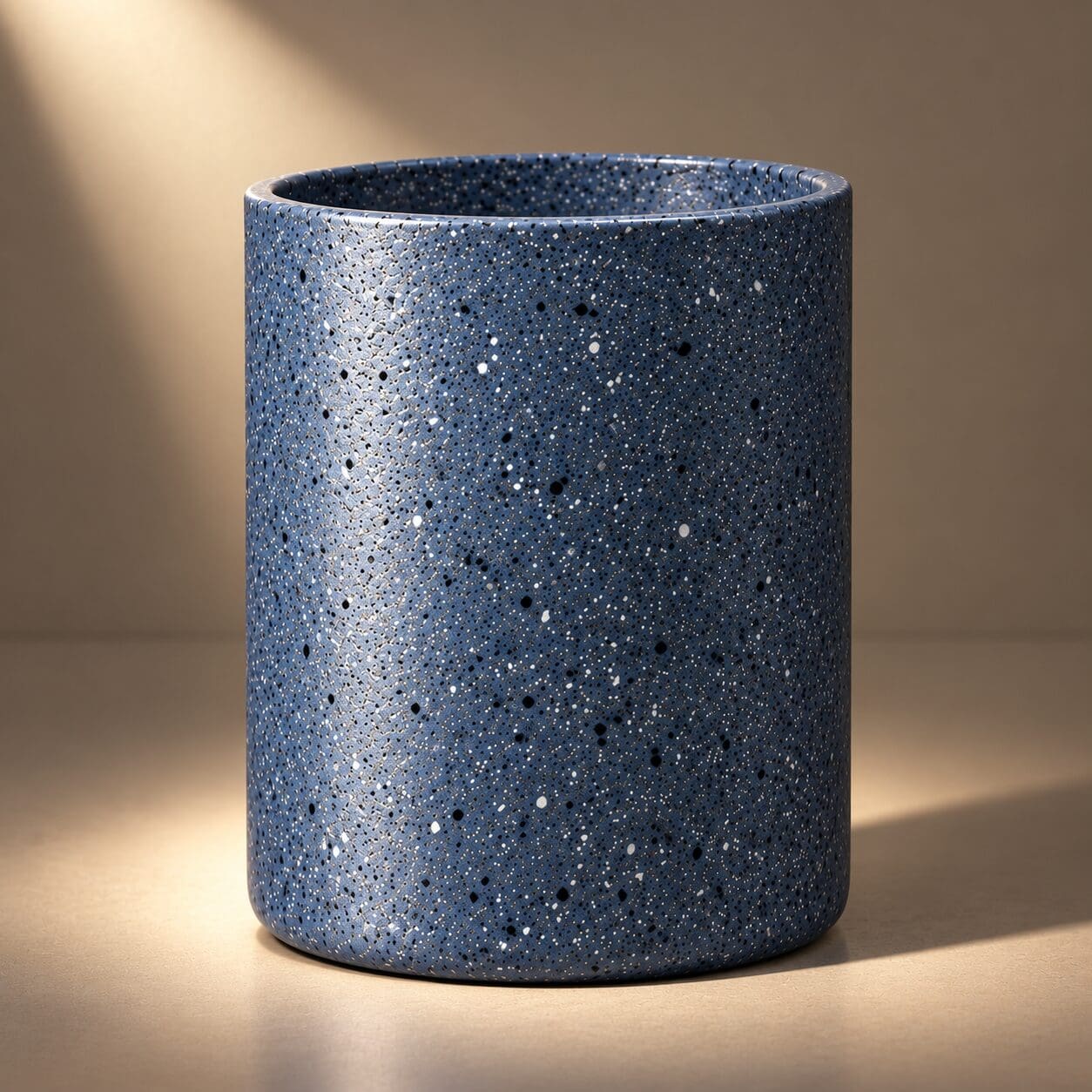
DIRECTIONAL SPOTLIGHT
Focused lighting emphasizes the dimensional character of the finish.
Direct light creates stronger contrast between the textured elements and surrounding coating, making the variation across the surface especially noticeable and helping reveal details that may appear subtler under diffuse lighting.
Color Flexibility
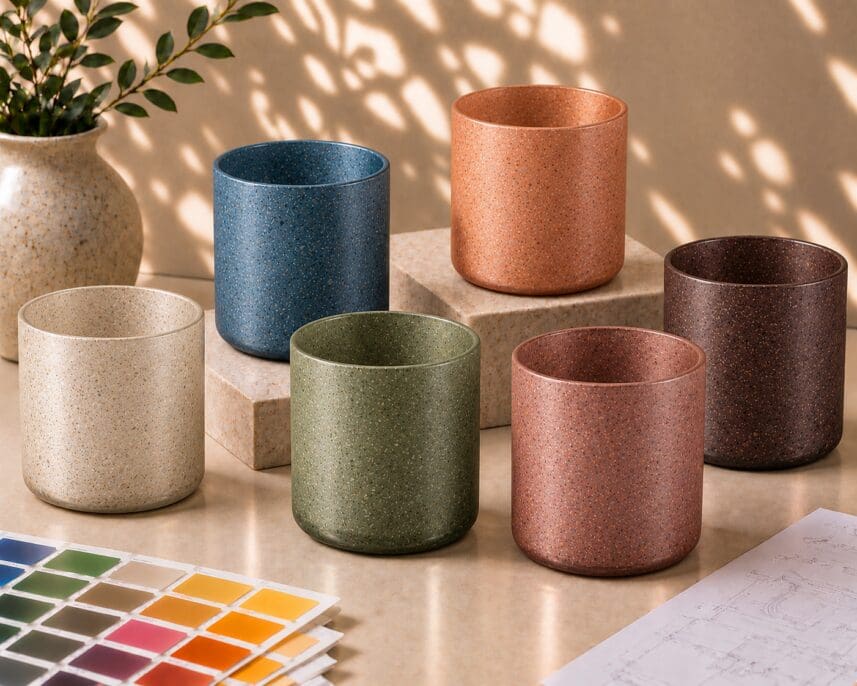
Granite doesn’t have to look like natural stone.
The technique can be developed across a wide range of colors, allowing the texture to support everything from restrained, material-inspired palettes to much more expressive packaging concepts.
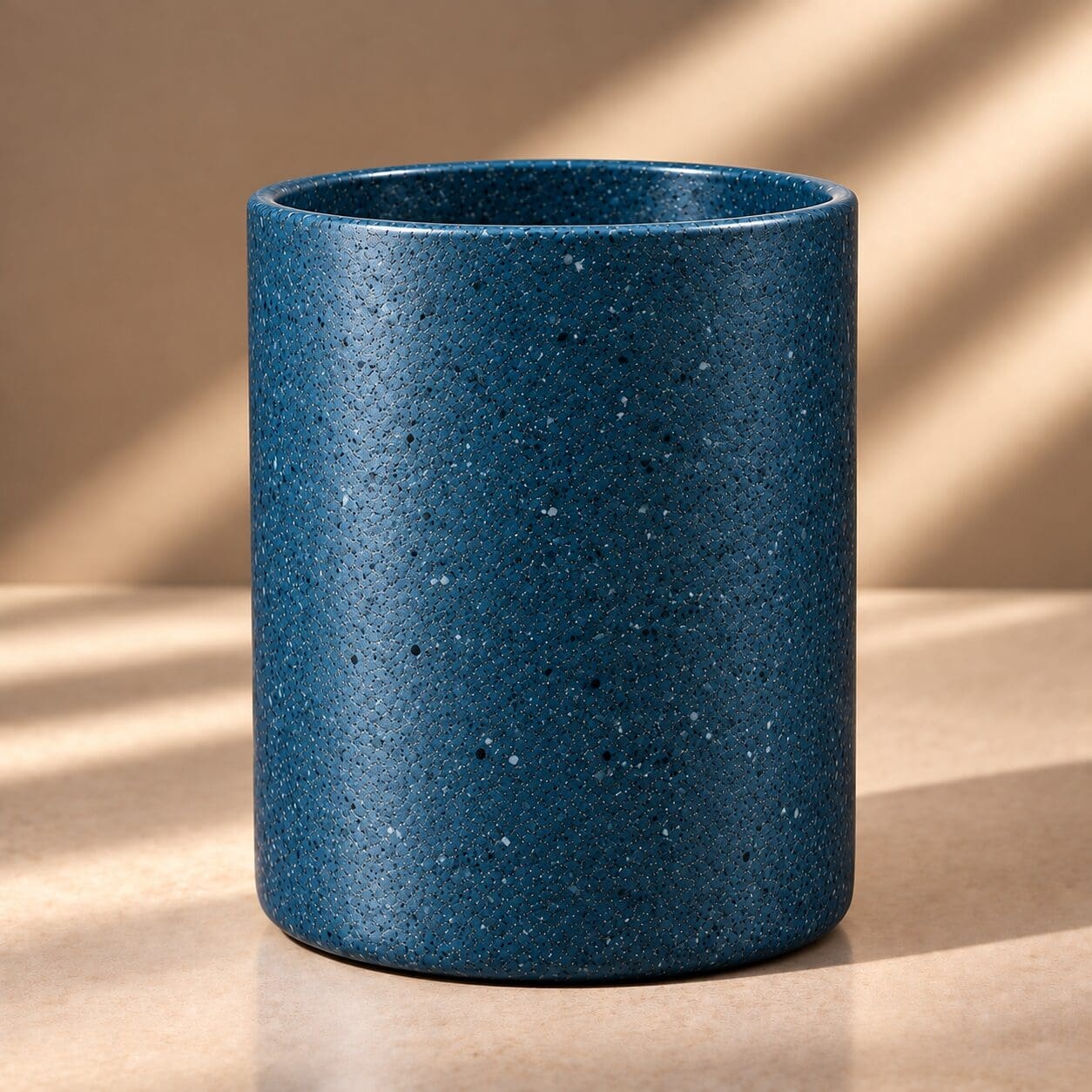
Ocean Blue
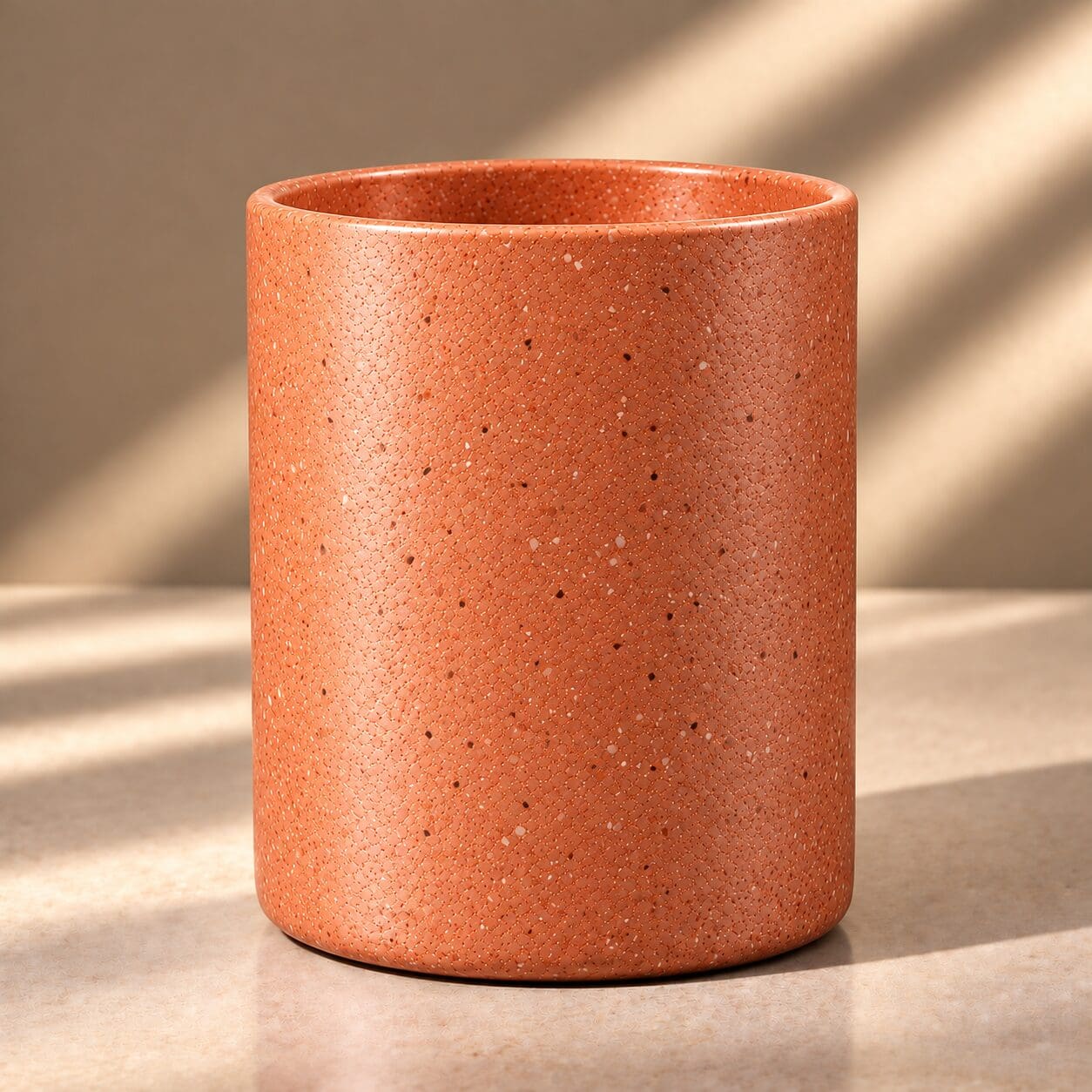
Papaya
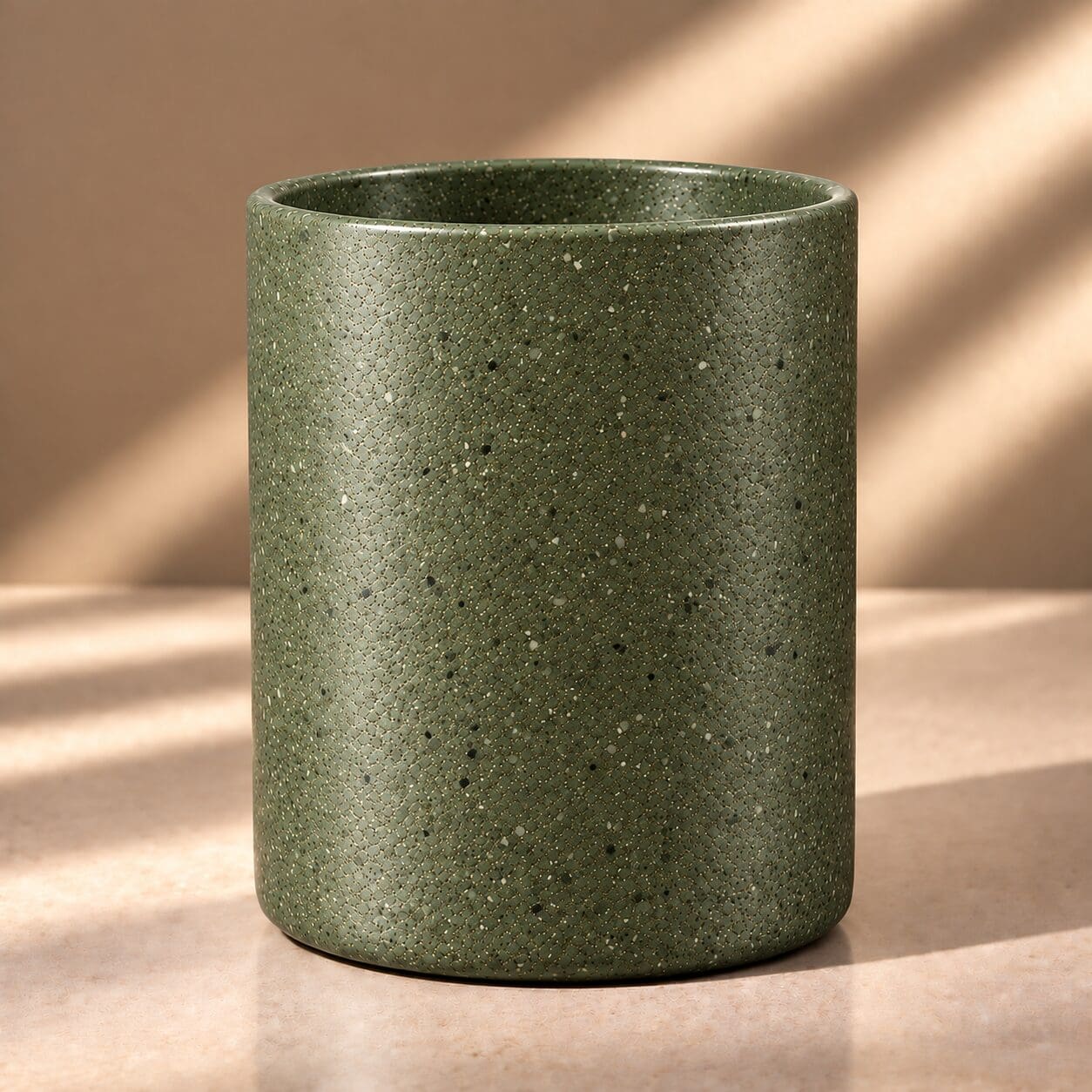
Moss Green
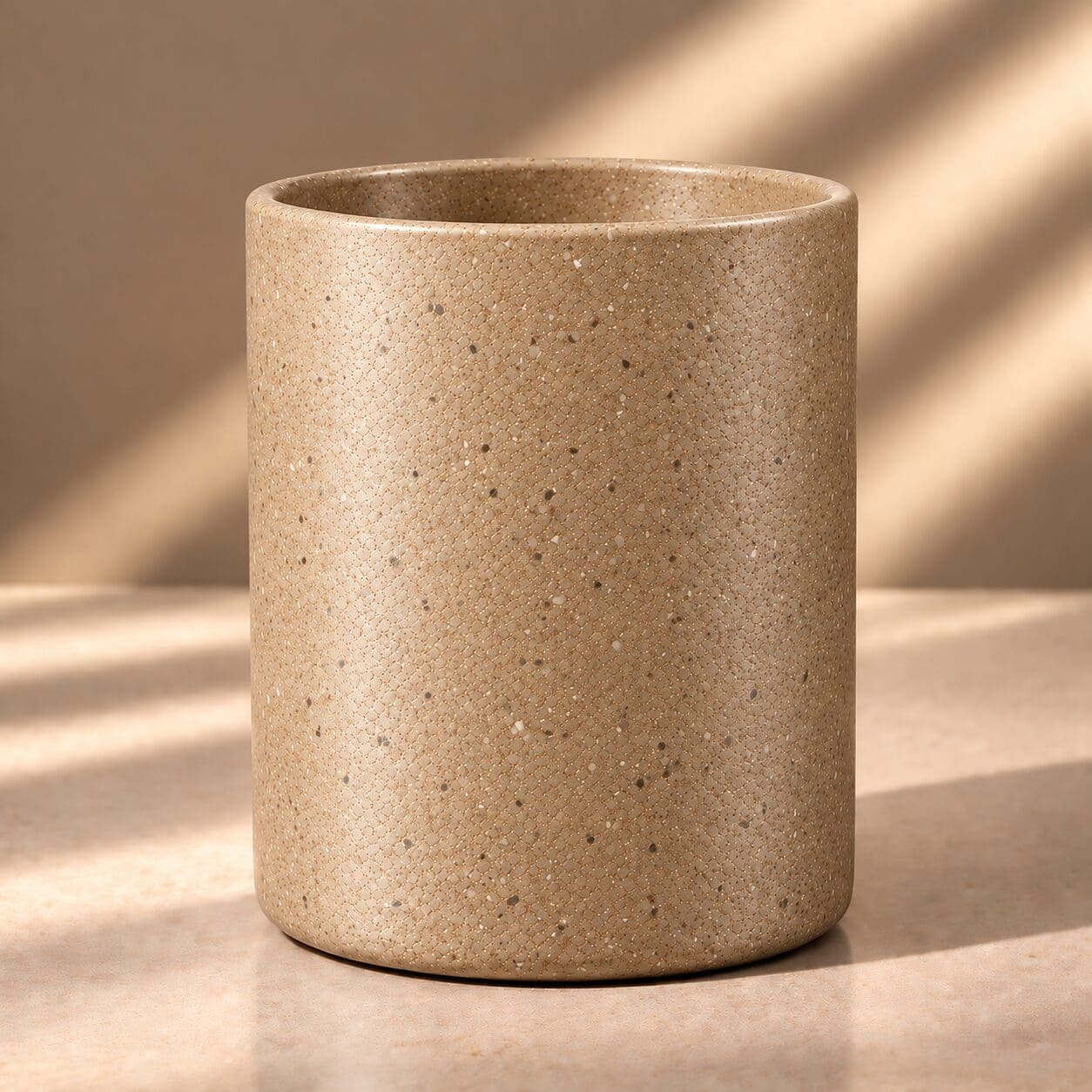
Warm Sand
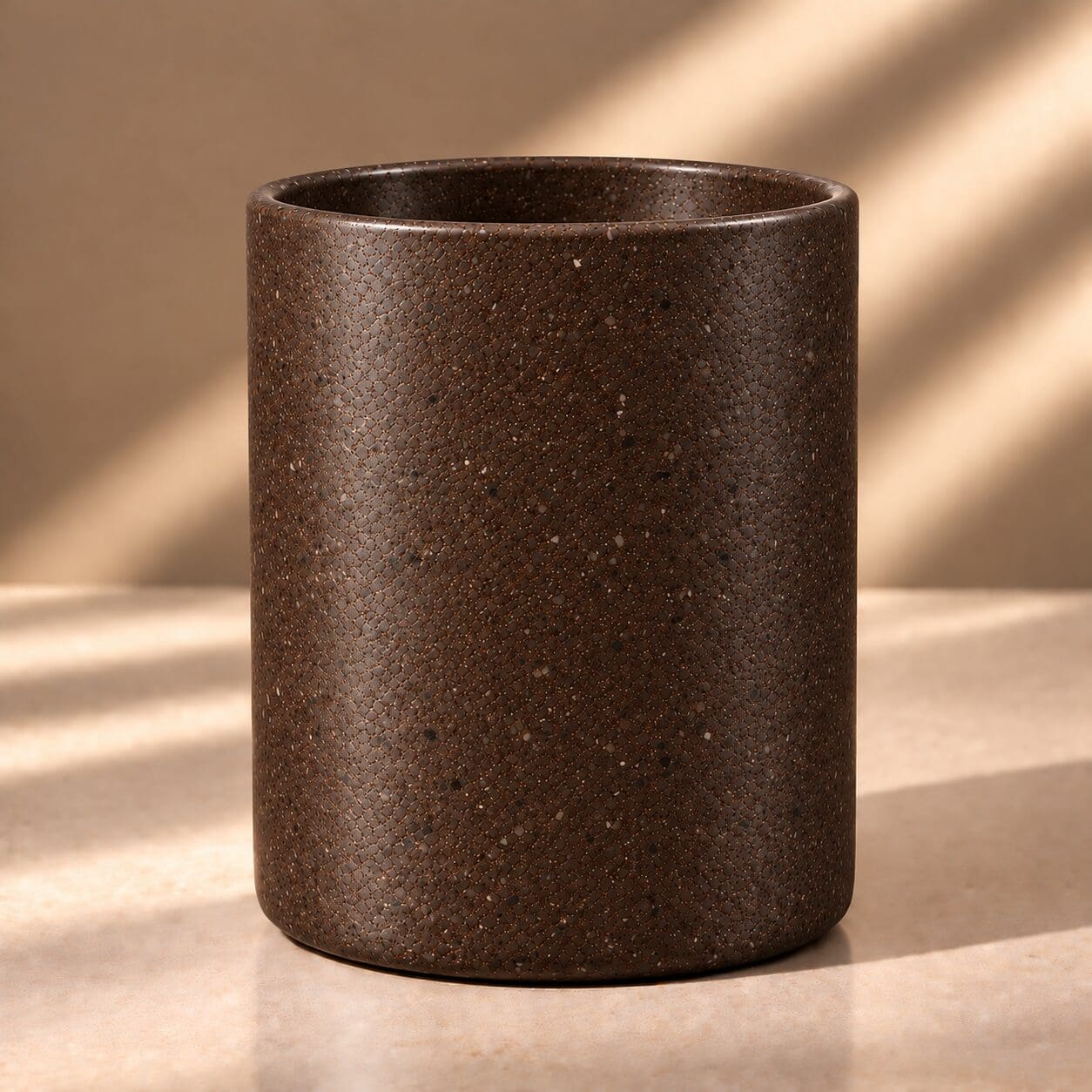
Deep Espresso
Common Applications
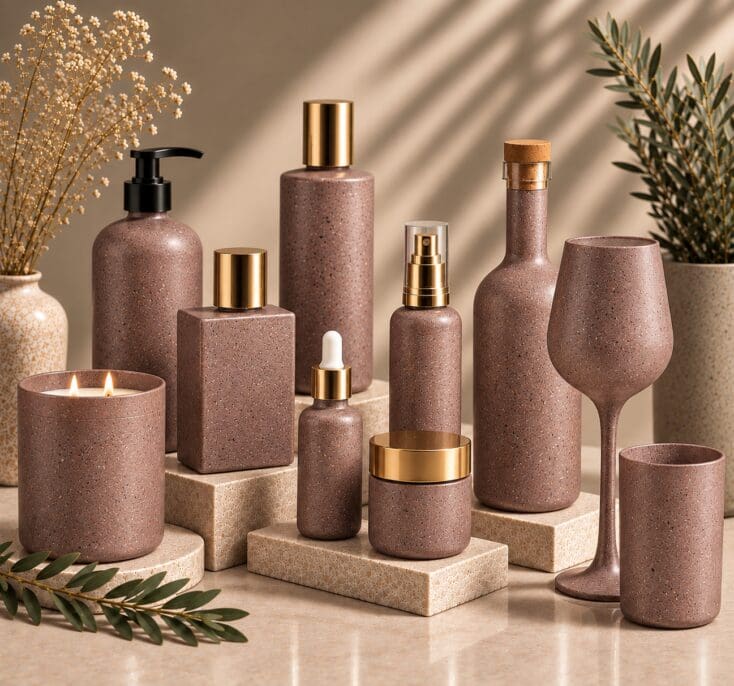
Granite can work across categories where texture and material character contribute to the overall packaging experience.
Common applications include:
- Home fragrance
- Perfumery and fragrance
- Beauty and cosmetics
- Spirits and wine
- Beverage packaging
- Drinkware
- Decorative glassware
- Lifestyle collections
- Seasonal collections
- Premium packaging
Decorative Techniques That Pair Well With Transparent Gloss
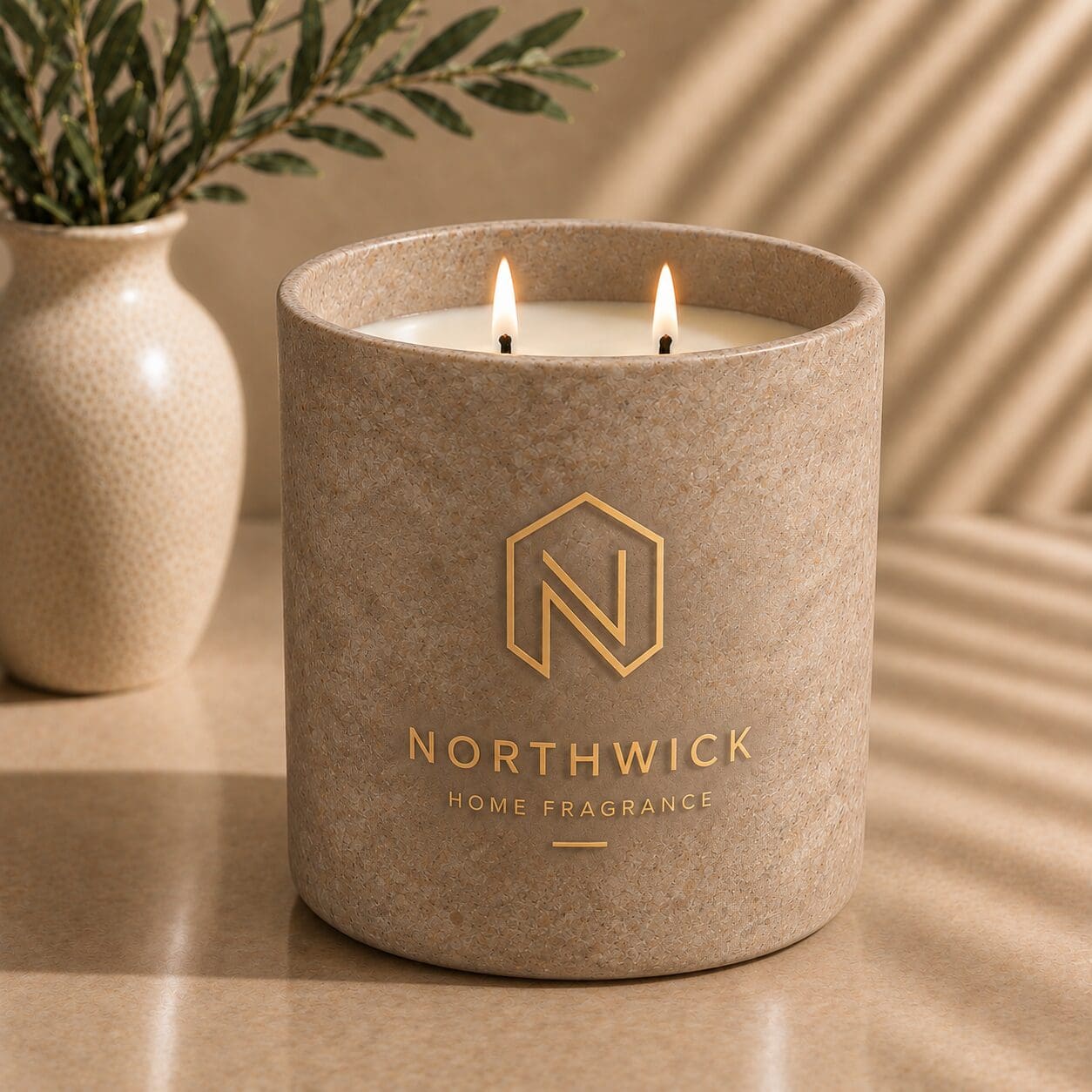
Screen Print
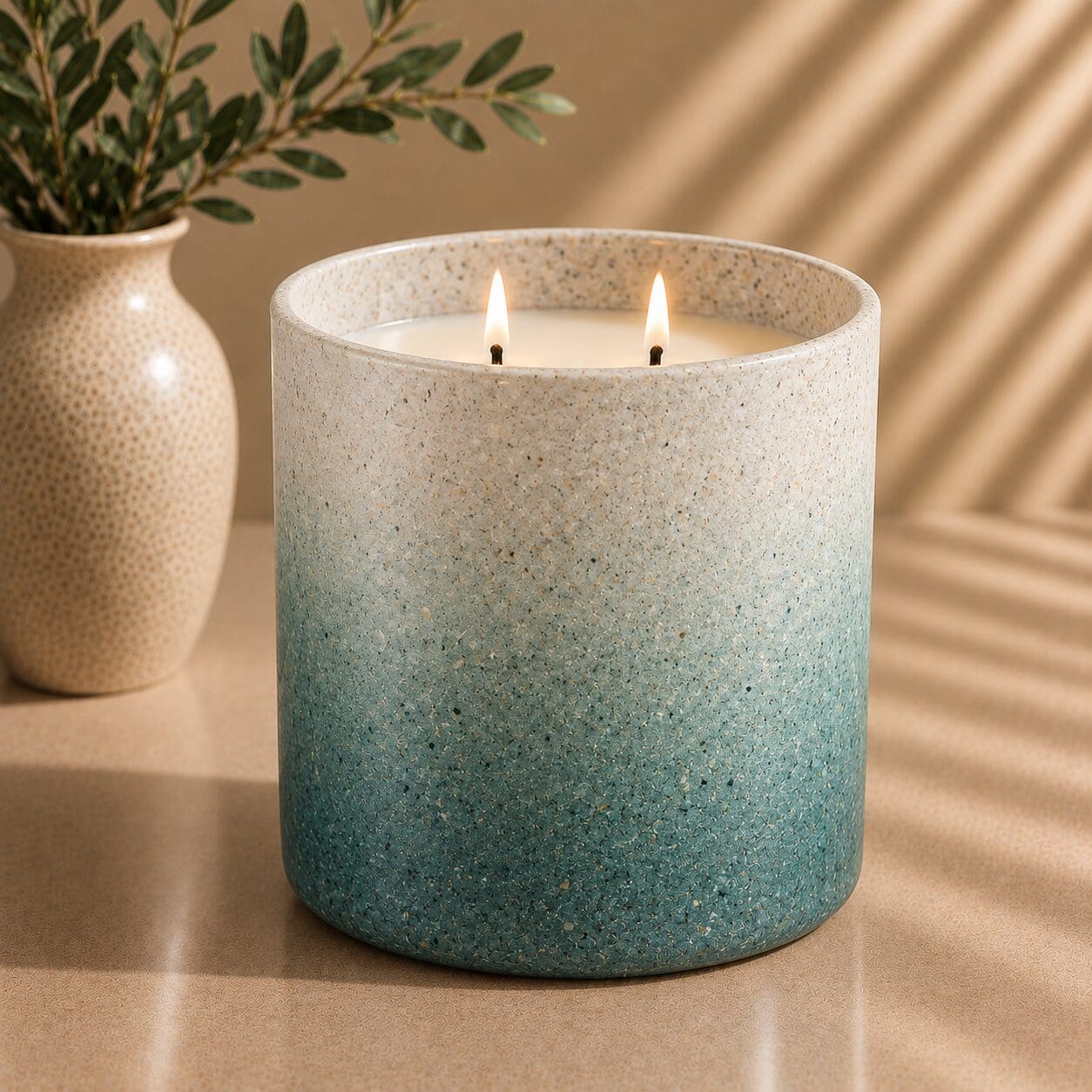
Two-Color Ombre
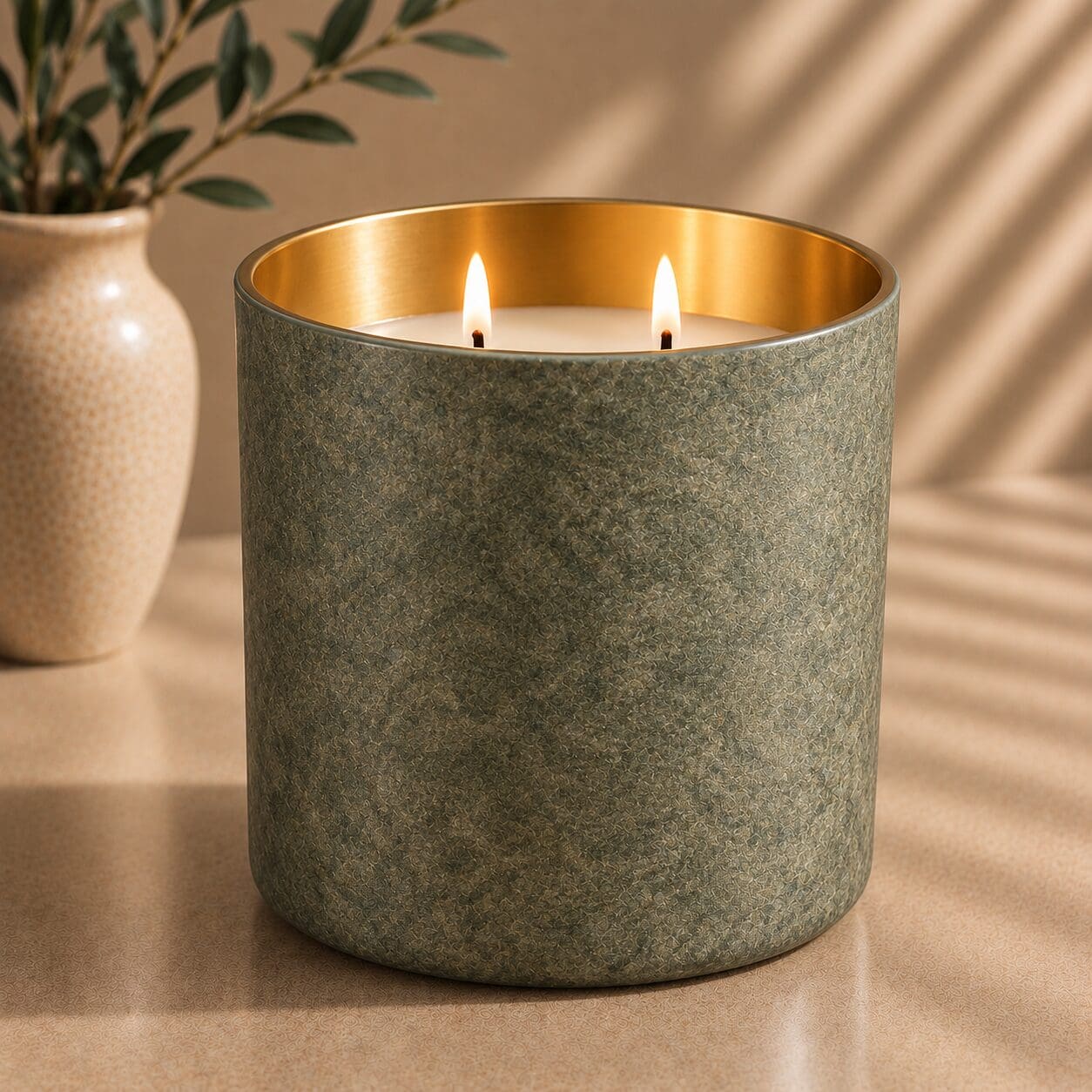
Select Layered Coating Combinations
Manufacturing Considerations
Variation is part of Granite’s visual character and should be considered during development.
- Texture distribution contributes to the intended appearance.
- Color and texture should be evaluated together.
- The contrast between the particulate effect and underlying color influences how prominent the texture appears.
- Container geometry can affect the perceived distribution of the finish.
- Lighting conditions influence how strongly surface variation is visible.
- Additional decoration should be evaluated against the textured background.
- Fine graphic details may require additional consideration when applied over a highly textured surface.
- Static photography may not completely communicate the dimensional character of the finish.
- Production sampling is recommended to establish the desired texture, color, and overall appearance.
The goal is to develop controlled visual variation, rather than make every point across the surface appear perfectly identical.
Frequently Asked Questions
Compare Other Finishes
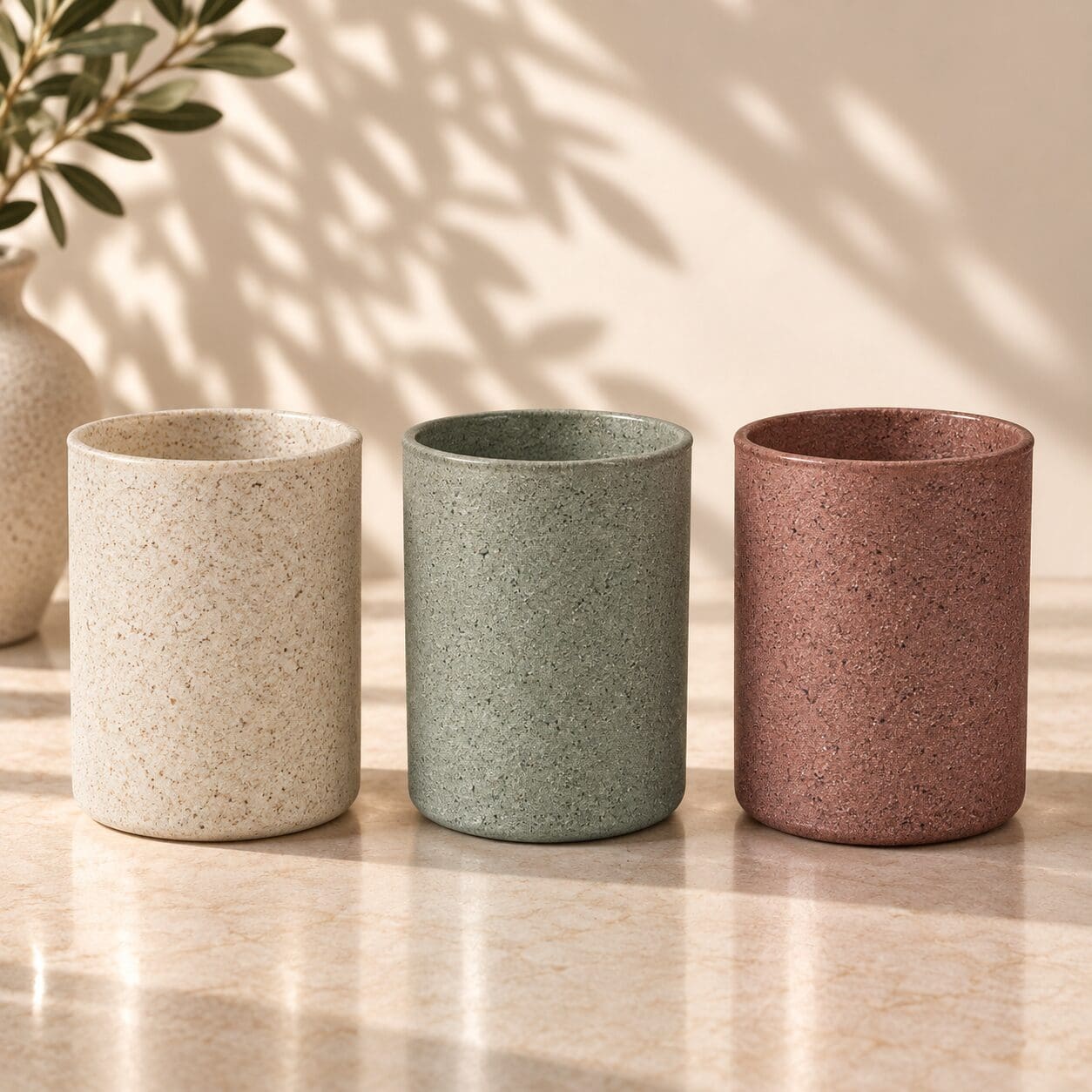
Granite
Introduces visible granular texture and organic variation into the decorated surface.
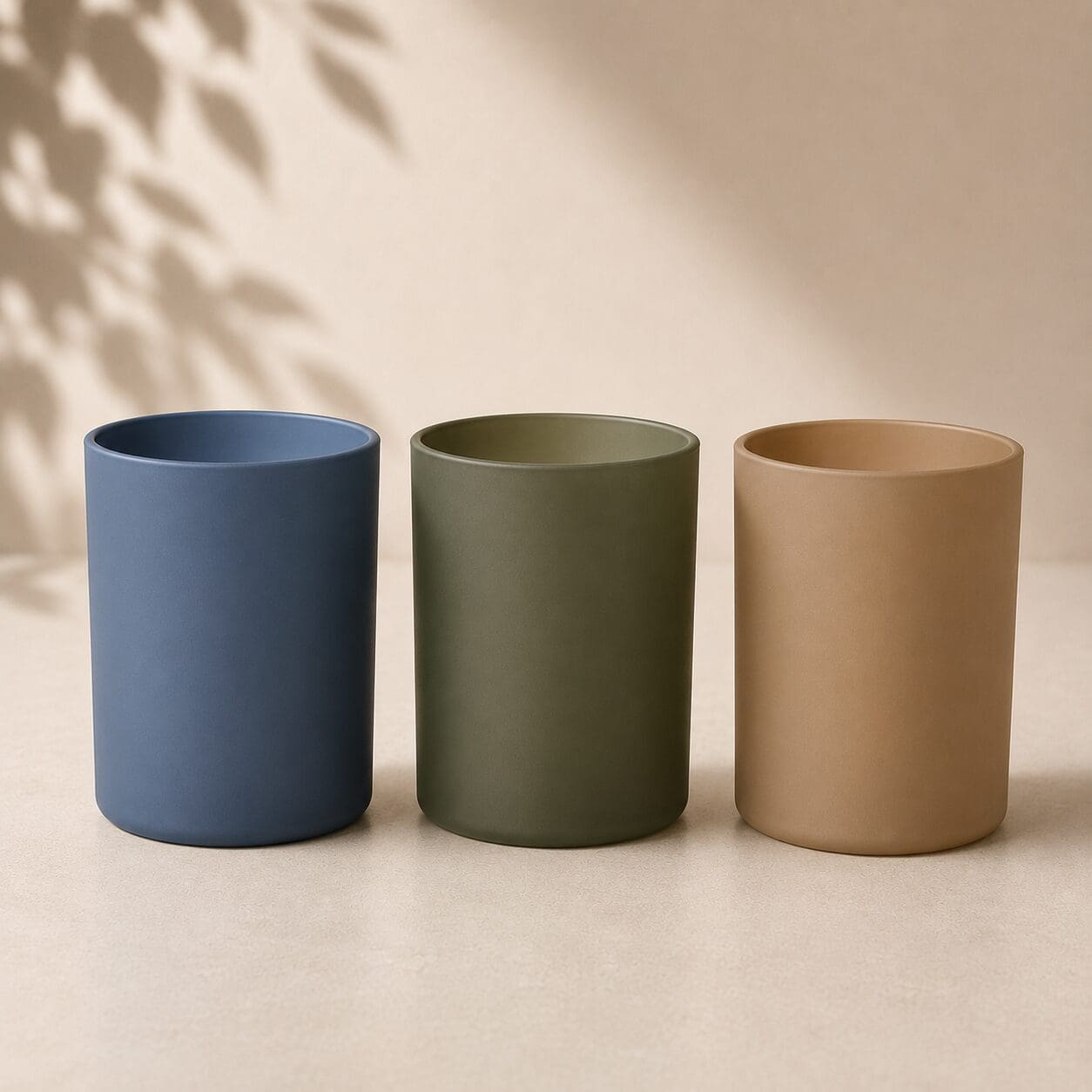
Opaque Frost
Creates complete color coverage with a smooth, soft frosted appearance and minimal surface variation.
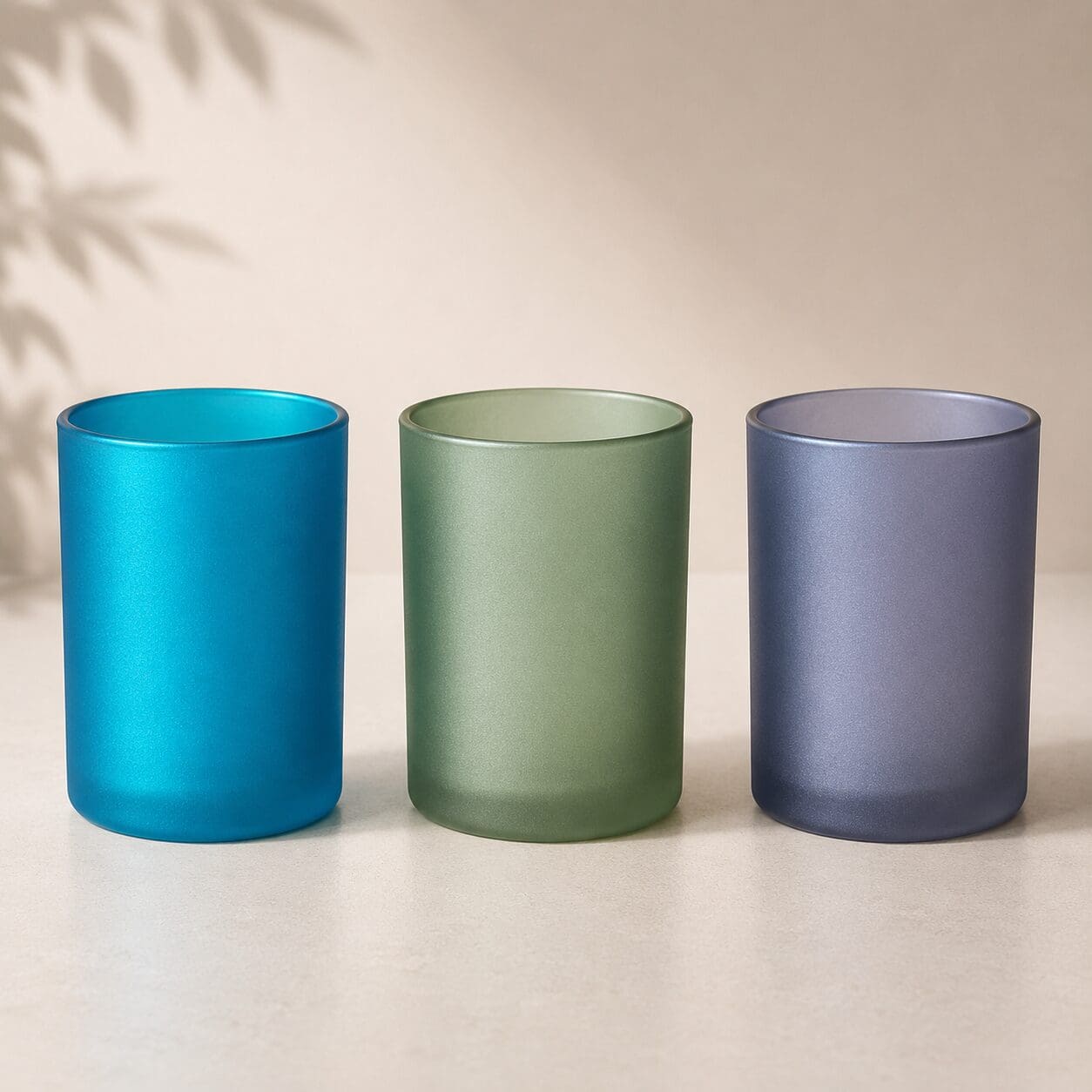
Silk
Provides rich opaque color with a smooth satin sheen.
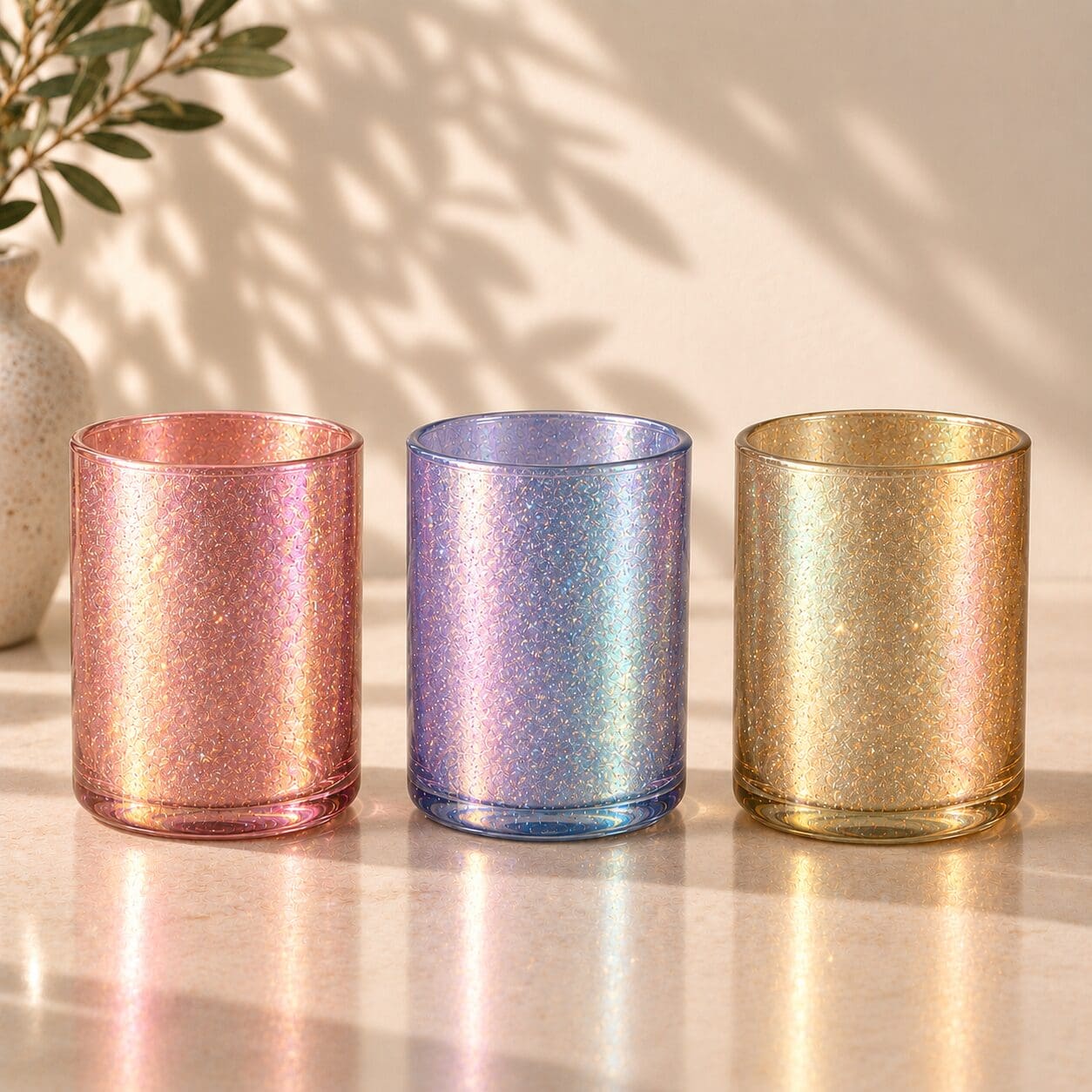
Glitter
Adds light-catching particles that create sparkle rather than the more material-driven texture of Granite.
Which Finish Is Right for You?
| If you’re looking for… | Choose… | Why |
|---|---|---|
| Smooth color with a soft appearance | Opaque Frost | Provides complete coverage with a refined frosted surface. |
| Smooth color with subtle sheen | Silk | Combines complete coverage with a controlled satin appearance. |
| Organic, granular surface character | Granite | Introduces visible texture and variation throughout the finish. |
| Sparkle and light-catching particles | Glitter | Uses reflective particles to create a more decorative, light-responsive effect. |
Ready to Explore Granite?
Looking for a finish that brings more material character to glass?
Granite combines custom color, visible texture, and organic variation to create a dimensional surface that moves beyond the uniform appearance of traditional coatings.
Request a sample or connect with our decorating specialists to explore Granite for your next project.